Introduction
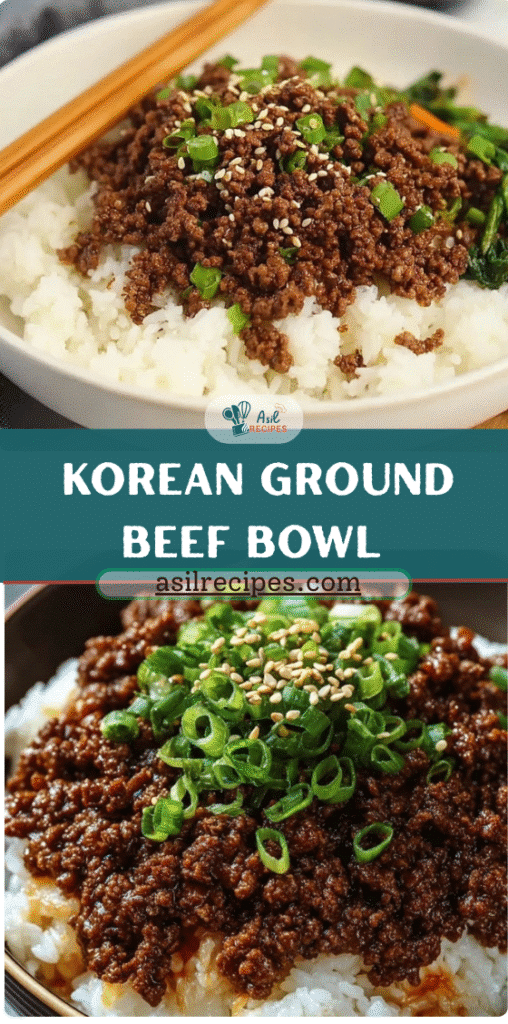
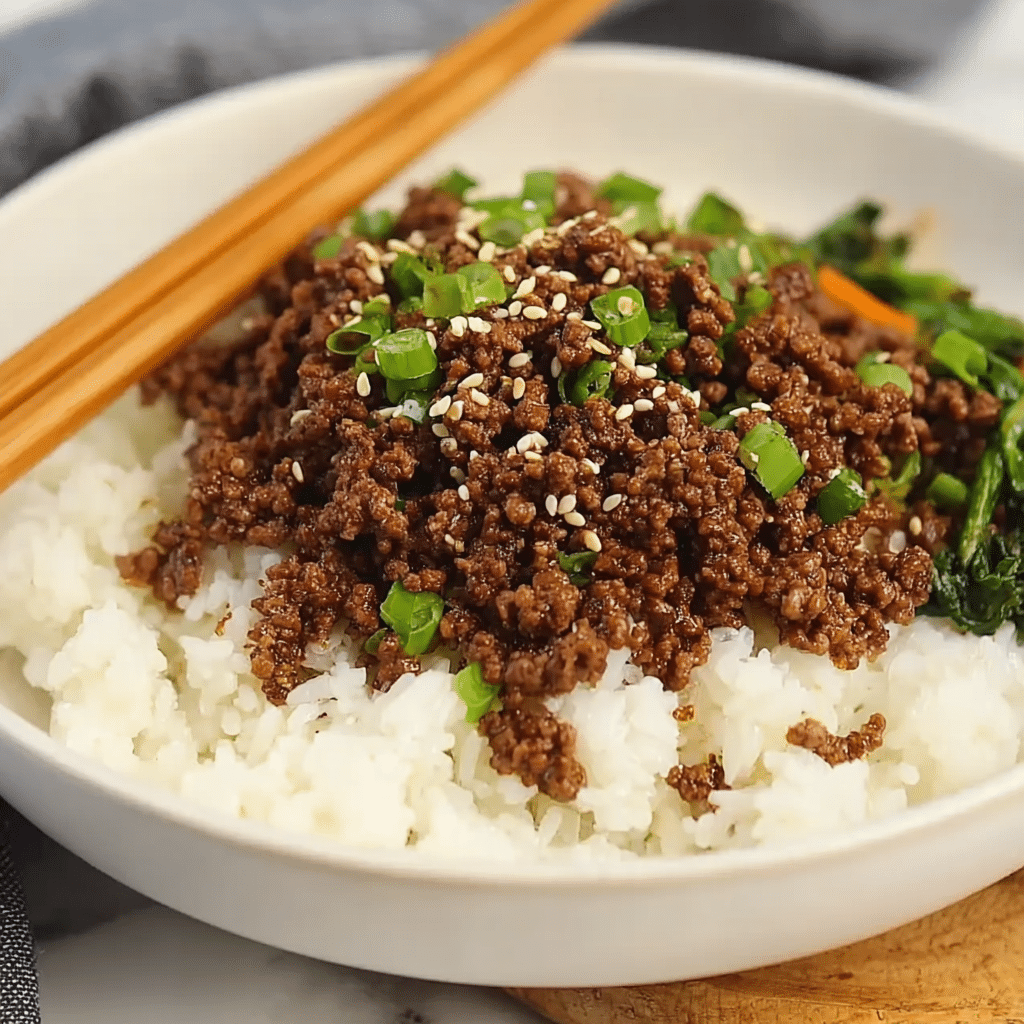
The Korean Ground Beef Bowl is one of those rare dishes that perfectly balances convenience, flavor, nutrition, and versatility in a single meal. In today’s fast-paced world, home cooks often look for recipes that deliver restaurant-quality taste without requiring hours in the kitchen. This dish answers that need beautifully. Ready in just about 25 minutes from start to finish, it combines savory ground beef infused with garlic, ginger, soy sauce, and sesame oil, served over warm, fluffy rice and finished with fresh toppings.
While inspired by Korean flavors, this recipe is designed for accessibility. It uses pantry-friendly ingredients, simple cooking techniques, and flexible substitutions, making it ideal for beginners as well as experienced cooks. Whether you are preparing a quick weeknight dinner, planning meals ahead for busy days, or simply craving something comforting yet satisfying, this dish is an excellent choice.
What makes this recipe especially appealing is its adaptability. You can adjust the spice level, add vegetables, swap proteins, or customize toppings to suit your preferences. The core method remains simple and reliable, ensuring consistent results every time. In this comprehensive guide, you will learn not only how to make the dish, but also why each ingredient matters, how to perfect the cooking process, and how to customize it for your lifestyle.
Recipe Overview
Prep Time: 10 minutes
Cook Time: 15 minutes
Total Time: 25 minutes
Course: Main Course
Cuisine: Korean-Inspired
Servings: 4
Calories: ~400 kcal per serving
Ingredients
Main Components
- 1 pound ground beef (80/20 for optimal flavor)
- 2 tablespoons soy sauce or tamari (for gluten-free option)
- 1 tablespoon sesame oil
- 3 cloves garlic, minced
- 1 teaspoon ginger, minced
- 2 green onions, chopped (plus extra for garnish)
- Salt and pepper, to taste
- 2 cups cooked rice (jasmine, basmati, or brown rice)
Optional Toppings
- Sesame seeds
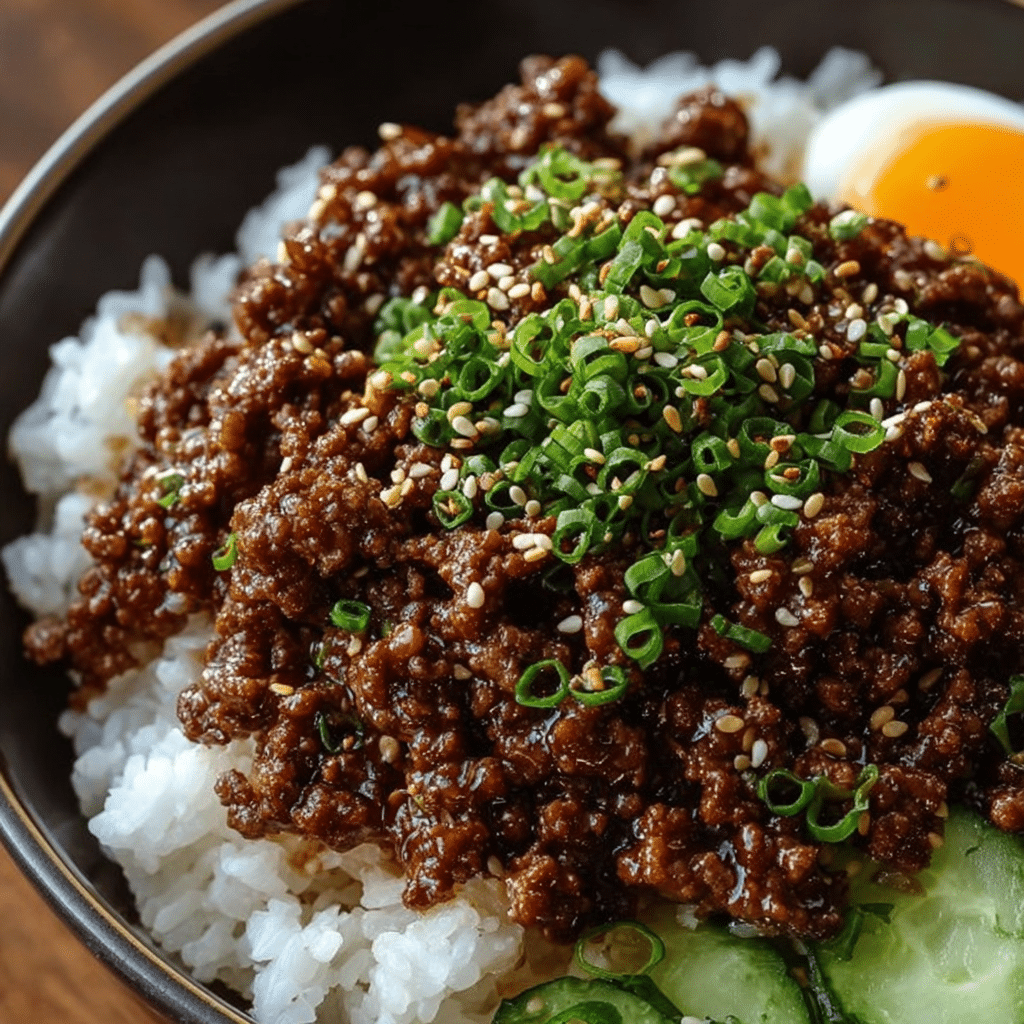
- Sliced cucumber
- Kimchi
- Pickled vegetables
Optional Add-Ins
- Bell peppers
- Carrots
- Broccoli
- Spinach
Optional Protein Addition
- Fried egg for topping
Understanding the Ingredients
To cook this dish successfully, it helps to understand how each ingredient contributes to flavor, texture, and overall balance.
Ground Beef (80/20):
This ratio of lean meat to fat provides the ideal balance of richness and tenderness. The fat helps carry flavor and keeps the meat juicy. Leaner beef can be used, but you may need to add a little oil during cooking to prevent dryness.
Soy Sauce or Tamari:
Soy sauce provides saltiness, umami depth, and color. Tamari is a gluten-free alternative with a similar flavor profile. Both enhance the savory character of the beef.
Sesame Oil:
A small amount of sesame oil adds a distinctive nutty aroma. Because it is highly fragrant, it is typically used as a finishing oil rather than a cooking fat.
Garlic and Ginger:
These two aromatics form the backbone of many Asian-inspired dishes. Garlic adds warmth and depth, while ginger brings brightness and subtle spice.
Green Onions:
They provide freshness, mild sharpness, and visual appeal. Added near the end of cooking, they preserve their vibrant flavor.
Rice:
Rice serves as the comforting base that absorbs the savory sauce from the beef. Jasmine rice offers fragrance, basmati provides lightness, and brown rice adds a nutty, whole-grain texture.
Optional Vegetables:
Vegetables increase nutrition, color, and texture. They also make the dish more filling without adding excessive calories.
Optional Toppings:
Toppings such as sesame seeds, cucumbers, or pickled vegetables add crunch, acidity, and contrast, transforming a simple bowl into a layered culinary experience.
Equipment Needed
One of the reasons this recipe is so popular is that it requires minimal kitchen equipment:
- Medium pot or rice cooker (for rice)
- Large skillet or sauté pan
- Spatula or wooden spoon
- Cutting board and knife
- Mixing bowl (optional for prep)
Having your ingredients prepped before cooking—often called mise en place—helps the process run smoothly and efficiently.
Preparation Method
Step 1: Prepare the Rice
Stove Method:
Rinse 1 cup of rice under cold water until the water runs clear. This removes excess starch and prevents stickiness. Combine the rinsed rice with 2 cups of water in a pot. Bring to a boil, then reduce heat to low, cover, and simmer for about 15 minutes until the water is absorbed. Remove from heat and let it rest for 5 minutes before fluffing with a fork.
Rice Cooker Method:
Place rinsed rice and water into your rice cooker. Close the lid and cook according to the manufacturer’s instructions.
Instant Pot Method:
Combine rinsed rice and water in the pot. Seal the lid and cook on high pressure for 3 minutes, then allow natural release.
Step 2: Cook the Ground Beef
Place a large skillet over medium-high heat. Add the ground beef and break it apart using a spatula. Cook until browned and no longer pink, about 5–7 minutes.
If there is excess fat, carefully drain it. Leaving a small amount is fine because it contributes flavor.
Add minced garlic and ginger. Cook for 1–2 minutes until fragrant. This step releases essential oils that infuse the meat with aroma.
Step 3: Season the Beef
Stir in soy sauce, sesame oil, and chopped green onions. Mix thoroughly so the beef absorbs the seasoning. Taste and adjust salt and pepper as needed. Let the mixture simmer briefly so the flavors meld together.
Step 4: Assemble the Bowl
- Spoon cooked rice into bowls.
- Add a generous portion of the seasoned beef on top.
- Add vegetables if using.
- Garnish with sesame seeds, extra green onions, or desired toppings.
- Optionally place a fried egg on top for added richness.
Serve immediately while warm.
Cooking Tips for Best Results
- Do not overcrowd the pan: Browning requires space. If the pan is too full, the meat will steam instead of sear.
- Add sesame oil last: Heating it too long can diminish its aroma.
- Use fresh ginger if possible: It provides brighter flavor than powdered ginger.
- Taste before serving: Soy sauce brands vary in saltiness, so adjust seasoning at the end.
- Rest the rice: Allowing rice to sit after cooking improves texture.
Flavor Variations
One of the greatest strengths of this recipe is how easily it adapts to different flavor profiles.
Spicy Version:
Add chili flakes, chili paste, or sliced fresh chilies to the beef mixture.
Sweet and Savory:
Stir in a teaspoon of brown sugar or honey for a gentle sweetness.
Garlic-Forward:
Increase garlic to five cloves for a stronger aromatic punch.
Vegetable-Loaded:
Add finely diced carrots, bell peppers, or spinach directly to the skillet.
Low-Carb Option:
Replace rice with cauliflower rice or shredded lettuce.
Nutritional Benefits
This meal provides a balanced combination of protein, carbohydrates, and fats:
- Protein: Ground beef supports muscle growth and satiety.
- Carbohydrates: Rice provides energy and makes the dish satisfying.
- Healthy Fats: Sesame oil contributes beneficial fats and flavor.
- Micronutrients: Vegetables add fiber, vitamins, and minerals.
Because it is customizable, you can easily modify the dish to match dietary goals, such as lowering sodium, increasing fiber, or boosting protein.
Why This Recipe Is Perfect for Busy Schedules
Modern lifestyles often demand meals that are quick yet nourishing. This recipe meets that need because:
- It cooks in under 30 minutes.
- It uses common pantry ingredients.
- It requires minimal cleanup.
- It stores well for leftovers.
- It reheats easily without losing flavor.
For students, families, or professionals, these qualities make it a reliable staple.
Meal Prep and Storage
Refrigeration:
Store cooked beef and rice separately in airtight containers for up to 4 days.
Freezing:
The beef mixture freezes well for up to 3 months. Thaw overnight in the refrigerator before reheating.
Reheating:
Warm in a skillet over medium heat or microwave in short intervals, stirring between bursts. Add a splash of water if rice becomes dry.
Serving Suggestions
Although delicious on its own, this dish pairs well with:
- Light soups
- Fresh salads
- Steamed vegetables
- Pickled sides
Serving it in a wide bowl allows toppings to be arranged attractively, enhancing presentation.
Common Mistakes to Avoid
- Skipping the rinse for rice – This can result in gummy texture.
- Overcooking garlic – Burnt garlic tastes bitter.
- Using too much soy sauce – It can overpower the dish.
- Not draining excess fat – Too much grease can make the bowl heavy.
- Adding toppings too early – Fresh toppings should be added just before serving.
The Role of Balance in This Dish
A hallmark of Korean-inspired cooking is balance. This bowl reflects that principle through:
- Salty soy sauce
- Aromatic sesame oil
- Sharp garlic and ginger
- Mild rice
- Fresh toppings
Each component contrasts and complements the others. The result is a dish that tastes layered rather than one-dimensional.
Customizing for Different Diets
Gluten-Free: Use tamari instead of soy sauce.
Low-Sodium: Choose reduced-sodium soy sauce.
High-Protein: Add a fried egg or extra beef.
Vegetarian: Substitute plant-based ground protein.
Whole-Grain: Use brown rice instead of white rice.
Kid-Friendly Adaptations
This recipe can easily be adjusted for younger eaters:
- Reduce garlic or ginger slightly.
- Skip spicy toppings.
- Serve components separately so kids can build their own bowl.
- Add mild vegetables like corn or carrots.
Letting children assemble their own bowls can make mealtime more fun and encourage them to try new foods.
Presentation Tips
Professional presentation elevates even simple meals:
- Use a wide, shallow bowl.
- Place rice first, then meat slightly off-center.
- Arrange vegetables neatly.
- Sprinkle sesame seeds last.
- Add green onion garnish for color contrast.
Good presentation enhances appetite and makes the dish feel special.
Conclusion
The Korean Ground Beef Bowl is a perfect example of how simple ingredients can come together to create something deeply satisfying. With its quick preparation time, bold flavors, and adaptable nature, it stands out as an ideal meal for both everyday cooking and casual entertaining. It proves that you do not need complicated techniques or rare ingredients to produce a dish that feels comforting, nourishing, and exciting all at once.
Whether you follow the recipe exactly or experiment with your own variations, this bowl offers endless possibilities. Once you master the basic method, you can adjust flavors, textures, and toppings to suit your taste or mood. It is a recipe that grows with your cooking skills and remains reliable every time you make it.
PrintKorean Ground Beef Bowl (25 Minutes): A Complete Guide to a Fast, Flavorful Classic
The Korean Ground Beef Bowl is a quick and satisfying meal that features savory ground beef seasoned with garlic, ginger, and soy sauce, served over fluffy rice. With endless possibilities for customization and sides, this dish is perfect for busy weeknights or meal prepping for the week.
- Prep Time: 10 minutes
- Cook Time: 15 minutes
- Total Time: 25 minutes
- Yield: 4 Servings
- Category: Main Course
- Method: Stovetop
- Cuisine: Korean
Ingredients
- 1 pound ground beef (80/20 for optimal flavor)
- 2 tablespoons soy sauce or tamari for gluten-free
- 1 tablespoon sesame oil
- 3 cloves garlic, minced
- 1 teaspoon ginger, minced
- 2 green onions, chopped (plus extra for garnish)
- Salt and pepper to taste
- 2 cups cooked rice (jasmine, basmati, or brown rice)
- Optional toppings: sesame seeds, sliced cucumber, kimchi, or pickled vegetables
- Optional vegetables: bell peppers, carrots, broccoli, or spinach
- Optional: fried egg for topping
Instructions
- Prepare the Rice (Stove): Rinse 1 cup rice until water runs clear. Combine with 2 cups water, bring to boil, reduce heat, cover, and simmer 15 minutes. Let sit 5 minutes, then fluff.
- Rice Cooker: Add rinsed rice and water and cook according to cooker instructions.
- Instant Pot: Combine rinsed rice and water, cook on high pressure 3 minutes, then natural release.
- Brown Beef: In a skillet over medium-high heat cook beef 5–7 minutes until no longer pink.
- Add Aromatics: Drain excess fat. Add garlic and ginger; cook 1–2 minutes.
- Season: Stir in soy sauce, sesame oil, and green onions. Season with salt and pepper. Simmer a few minutes.
- Assemble: Add rice to bowl, top with beef mixture.
- Finish: Add vegetables, sesame seeds, extra green onions, kimchi, or fried egg if desired.
Notes
- Use low-sodium soy sauce if you want less salt.
- Ground turkey or chicken can replace beef.
- Add extra vegetables to increase nutrition.
Frequently Asked Questions
1. Can I use a different type of meat?
Yes. Ground turkey, chicken, or plant-based meat substitutes work well. Adjust seasoning slightly since different proteins have different flavor strengths.
2. What rice works best?
Jasmine rice is popular for its fragrance, but basmati and brown rice are also excellent choices.
3. Can I make it ahead of time?
Absolutely. Cook the beef mixture and rice separately, refrigerate, and assemble when ready to eat.
4. How can I make it spicier?
Add chili flakes, hot sauce, or sliced fresh chilies to the beef while cooking.
5. Is sesame oil necessary?
While not strictly required, sesame oil adds signature flavor. Without it, the dish will still be good but less aromatic.
6. Can I freeze leftovers?
Yes. Freeze the beef mixture separately from the rice for best texture.
7. How do I prevent dry rice when reheating?
Add a teaspoon of water before reheating and cover to trap steam.
8. What vegetables pair best with this dish?
Broccoli, carrots, bell peppers, spinach, cucumbers, and pickled vegetables all complement the flavors.
9. Can I double the recipe?
Yes. Simply double all ingredients and cook in batches to ensure proper browning.
10. Is this recipe beginner-friendly?
Definitely. The steps are simple, ingredients are easy to find, and the cooking process is straightforward.