
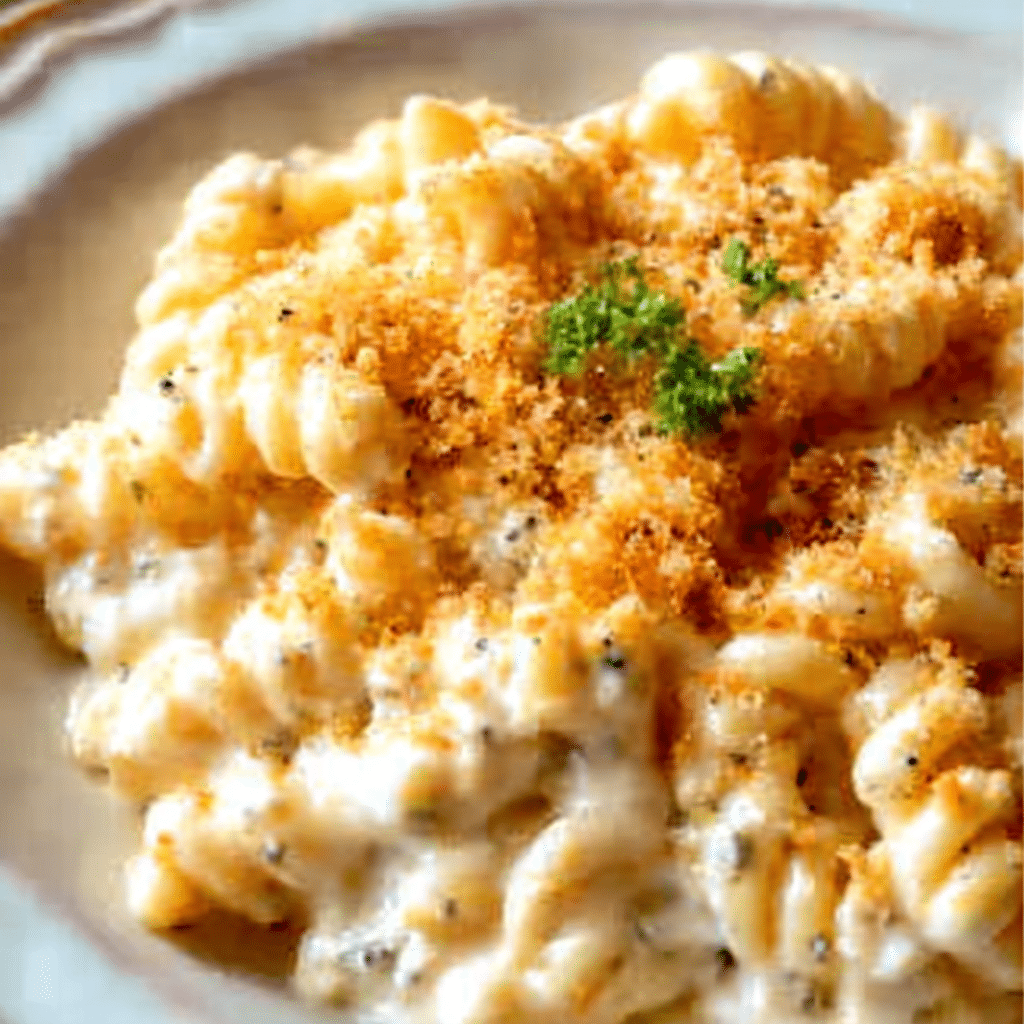
Macaroni and cheese is undeniably one of the most universally beloved comfort foods in the culinary world. It evokes a sense of nostalgia, bringing to mind childhood dinners, holiday gatherings, and cozy winter evenings. However, the modern palate often craves something a little more sophisticated than the boxed varieties of our youth. The evolution of this classic dish has led home cooks and professional chefs alike to experiment with various cheese blends, sauces, and cooking techniques. Among the most brilliant and transformative additions to this traditional dish is the incorporation of Boursin cheese.
Boursin is a soft, creamy, and highly flavorful cheese that originated in France. By integrating a round of Boursin into a classic stovetop macaroni and cheese recipe, you completely bypass the need for a multitude of complex seasonings and hard-to-melt cheeses. The Boursin melts flawlessly into a velvety liquid, bringing with it a luxurious texture and a deeply aromatic flavor profile. When paired with the sharp, tangy bite of a high-quality white cheddar, the resulting sauce is nothing short of extraordinary.
This professional guide is designed to walk you through the creation of an Easy Boursin Mac and Cheese. This is a stovetop recipe, which means it prioritizes a luscious, creamy, and pourable cheese sauce over the dense, sliceable texture of a baked casserole. To provide that crucial textural contrast without drying out the pasta in the oven, this recipe finishes with a buttery, toasted breadcrumb topping prepared separately in a skillet. In the following sections, we will explore the culinary science of building a flawless cheese emulsion, the precise role of each ingredient, and the step-by-step methodology required to achieve absolute perfection in your home kitchen.
The Culinary Science of the Stovetop Cheese Sauce
Before gathering your ingredients, it is highly beneficial to understand the mechanics of what makes a macaroni and cheese sauce successful. A cheese sauce is essentially an emulsion—a delicate suspension of fat, water, and milk proteins. When cheese is heated, the protein bonds begin to relax, and the fats melt. If this process is rushed or exposed to excessively high heat, the emulsion breaks. A broken cheese sauce is characterized by a greasy pool of separated fat and a grainy, curdled texture.
To prevent this culinary catastrophe, professional kitchens rely on a “roux,” which is a cooked paste of equal parts fat and flour. The starches in the flour coat the fat molecules, creating a stable framework that prevents the cheese proteins from clumping together when melted. By whisking milk and heavy cream into this roux, you create a classic French béchamel sauce. Adding the white cheddar and Boursin transforms this béchamel into a rich Mornay sauce. Understanding this foundational technique ensures that your Boursin Mac and Cheese will turn out glossy, smooth, and restaurant-quality every single time you prepare it.
Ingredients for Easy Boursin Mac and Cheese
Precision in cooking begins with exact measurements and high-quality components. The following is the precise list of ingredients required to execute this recipe flawlessly.
For the pasta and cheese sauce:
- 8 oz short pasta (such as macaroni, shells, or similar)
- 1 round Boursin cheese
- 1 cup grated white cheddar cheese, packed
- 1 cup heavy cream
- 1/2 cup milk
- 1/2 tsp salt
- 2 tbsp unsalted butter
- 2 tbsp all-purpose flour
For the topping:
- 1 cup plain breadcrumbs
- 2 tbsp unsalted butter
A Detailed Breakdown of Your Ingredients
To truly master this recipe, one must appreciate the purpose and function of each ingredient. Cooking is a symphony, and every component plays a vital role in the final flavor, texture, and structural integrity of the dish.
The Pasta Foundation
The recipe calls for 8 ounces of short pasta. The geometry of the pasta is incredibly important in a stovetop mac and cheese. You want a shape that is specifically designed to catch and hold thick, heavy sauces. Classic elbow macaroni is always a reliable choice, as the hollow tube traps the cheese. Shells (conchiglie) are excellent because their concave shape acts like a small bowl for the Boursin sauce. Other highly recommended shapes include cavatappi (corkscrews), fusilli, or campanelle. When purchasing pasta, look for brands that use bronze-die extrusion, as this creates a rough, porous surface on the noodle that helps the cheese sauce cling beautifully.
The Cheese Blend
The centerpiece of this dish is the single round of Boursin cheese. Originating in Normandy, France, in 1957, Boursin is a Gournay cheese—a soft, spreadable cheese similar to cream cheese but with a more crumbly, delicate texture. It is famously infused with garlic and fine herbs, which means dropping a single round of Boursin into your sauce instantly seasons the entire dish with a complex bouquet of savory flavors. Because of its high moisture and fat content, it melts almost instantly into the hot liquid, creating an incredibly thick and creamy base.
The supporting act is the 1 cup of packed, grated white cheddar cheese. While the Boursin provides the creamy mouthfeel and the herbal notes, the white cheddar provides the necessary sharpness and the quintessential “mac and cheese” flavor. It is an absolute imperative that you grate this cheese yourself from a solid block. Pre-shredded cheeses sold in bags are coated with anti-caking agents such as potato starch or cellulose. These powders prevent the cheese from sticking together in the bag, but they also prevent the cheese from melting smoothly in the pot, often resulting in a gritty sauce.
The Dairy Liquids
The combination of 1 cup of heavy cream and 1/2 cup of milk creates the perfect liquid base for our sauce. Heavy cream, which typically boasts a milk fat content of 36% to 40%, provides a luxurious, velvety mouthfeel that cannot be achieved with milk alone. It makes the sauce remarkably rich and stable. However, using only heavy cream would make the dish overwhelmingly heavy and thick. The addition of the half cup of milk thins the consistency just enough to keep the sauce pourable and light enough to coat the pasta without becoming a solid paste.
The Thickening Agents
Two tablespoons of unsalted butter and two tablespoons of all-purpose flour form the roux. We strictly use unsalted butter in professional cooking so that we retain complete control over the final sodium levels of the dish. The butter provides the fat, which coats the starch granules in the all-purpose flour. When the flour is cooked in the butter, it loses its raw, cereal-like flavor and develops a slightly nutty aroma. Once the dairy is added, these starch granules swell and gelatinize, thickening the liquid into a proper sauce base.
The Seasoning
The recipe requires just 1/2 teaspoon of salt for the sauce. This might seem minimal, but it is important to remember that cheese is naturally quite salty. The Boursin and the cheddar will contribute a significant amount of sodium. The 1/2 teaspoon of salt is simply to enhance the flavors of the dairy and the flour. You will also use salt generously in the pasta boiling water, which is a separate but equally critical seasoning step.
The Textural Topping
A baked macaroni and cheese relies on the heat of the oven to crisp the top layer of noodles and cheese. Because this is a stovetop recipe designed to maximize creaminess, baking it would ruin the delicate Boursin sauce. Instead, we achieve that necessary textural contrast by toasting 1 cup of plain breadcrumbs in 2 tablespoons of unsalted butter. The butter browns the breadcrumbs via the Maillard reaction, yielding a deeply savory, nutty, and crunchy garnish that is sprinkled over the dish right before serving.
Preparation Method: Step-by-Step Instructions
Executing this recipe requires a combination of timing, heat management, and gentle handling. Read through these instructions carefully before beginning to ensure a smooth, stress-free cooking process.
Step 1: Mastering the Pasta Boil
Begin by selecting a large, heavy-bottomed pot. Fill it with several quarts of cold water and place it over high heat. Bring the water to a rolling, vigorous boil. Once the water is boiling rapidly, add a generous amount of salt. A culinary rule of thumb is that pasta water should taste like the sea. Salting the water is your only opportunity to season the actual interior of the pasta noodle; if you boil pasta in unsalted water, the final dish will taste flat regardless of how flavorful your cheese sauce is.
Carefully drop your 8 ounces of short pasta into the boiling salted water. Stir immediately with a wooden spoon to prevent the noodles from sticking together or adhering to the bottom of the pot. Cook the pasta according to the package directions, but specifically aim for the “al dente” stage. Al dente, meaning “to the tooth” in Italian, indicates that the pasta is cooked through but still retains a firm, slightly chewy bite in the center. Because the hot pasta will be folded into a hot cheese sauce later, it will continue to cook slightly. If you boil the pasta until it is completely soft, it will turn into a mushy paste when combined with the heavy sauce.
Before you drain the cooked pasta, carefully scoop out about half a cup of the starchy cooking water and set it aside in a mug or small bowl. This reserved pasta water is liquid gold; it is packed with starches released by the noodles during the boil and serves as an excellent tool for thinning out a cheese sauce later without diluting its flavor. Once the water is reserved, drain the pasta thoroughly in a colander and set it aside.
Step 2: Crafting the Perfect Roux and Sauce
You may use the empty, wiped-down pasta pot or a separate, clean saucepan for this step. Place the pan over medium heat. Add the 2 tablespoons of unsalted butter and allow it to melt completely. Watch the butter closely; you want it to melt and begin to bubble slightly, but you do not want it to turn brown.
As soon as the butter is bubbling, sprinkle the 2 tablespoons of all-purpose flour over the melted butter. Immediately begin whisking the mixture. You must whisk constantly for about 1 full minute. During this time, the mixture will look like a thick paste, and it will bubble up. This process is cooking the raw starch taste out of the flour.
Once the roux is pale golden and bubbling smoothly, it is time to add the dairy. To prevent lumps from forming, you must gradually pour in the 1 cup of heavy cream while whisking vigorously without stopping. The cold cream hitting the hot roux will cause the mixture to seize and thicken rapidly, but keep whisking; it will smooth out into a thick, creamy paste.
Once the heavy cream is fully incorporated and smooth, lower your heat to medium-low. Take your unwrapped round of Boursin cheese and crumble it directly into the hot cream mixture. Follow this immediately with the 1 cup of freshly grated, packed white cheddar cheese and the 1/2 teaspoon of salt. Switch from a whisk to a wooden spoon or a heat-resistant silicone spatula.
Stir the mixture gently and continuously. The residual heat of the cream and the gentle heat from the burner will slowly melt the cheeses. Do not rush this process by turning up the heat. High heat will shock the proteins and cause the sauce to separate into a greasy mess. Be patient. Once the cheeses are completely melted, the sauce will be incredibly creamy, fragrant, and thick.
If you find that the sauce is too thick for your liking—perhaps coating the spoon more like a dip than a sauce—this is the moment to gradually pour in the 1/2 cup of milk. Add a splash, stir it in until smooth, and assess the texture. Repeat until you reach a smooth, velvety consistency. At this exact moment, dip a clean spoon into the sauce, blow on it to cool, and taste it. Decide if it needs an extra pinch of salt to elevate the flavors.
Step 3: The Art of Combining
Now that your Boursin cheese sauce is flawless, add the cooked and well-drained pasta from Step 1 directly into the saucepan. It is crucial to handle the pasta delicately at this stage. Use your silicone spatula or wooden spoon to gently fold the pasta into the sauce, bringing the sauce up from the bottom of the pot and over the noodles. Stirring too aggressively will break the pasta and turn your beautiful dish into a starchy gruel. Ensure every single piece of pasta is generously coated in the creamy sauce.
Take a moment to evaluate the consistency of the combined dish. As the sauce coats the warm pasta, it will naturally begin to thicken and set. If the mixture appears too tight or stiff, this is when you utilize your reserved starchy pasta water. Add a small splash of the pasta water (or a bit more milk, if preferred) and gently fold it in. The starch in the water will bind with the fats in the sauce, loosening the mixture while maintaining its creamy emulsion. Once you are satisfied with the texture, turn off the heat completely and let the pot sit on the stove for a minute or two. This brief resting period allows the pasta to absorb some of the flavor and allows the sauce to cling perfectly to the noodles.
Step 4: Toasting the Golden Crumb Topping
While the macaroni and cheese is resting, place a small skillet over medium heat. Add the final 2 tablespoons of unsalted butter to the pan. Once the butter has melted and is beginning to foam slightly, add the 1 cup of plain breadcrumbs.
Use a spatula to toss the breadcrumbs continuously in the melted butter. They will absorb the fat quickly. You must stay at the stove and monitor the skillet, stirring frequently, as breadcrumbs can go from perfectly golden to burnt in a matter of seconds. Toast the crumbs for about 2 to 3 minutes until they have transformed into a deep, rich golden brown color and are emitting a beautifully fragrant, nutty aroma. Immediately remove the skillet from the heat source and let the crumbs cool slightly in the pan. Toasting the breadcrumbs in butter rather than baking them over the pasta guarantees an even, reliable crunch that provides the ultimate textural contrast to the soft, velvety pasta.
Step 5: Plating and Presentation
To serve, use a large spoon to transfer the hot, sauced pasta into individual shallow serving bowls, or transfer the entire mixture into a large, warm serving dish for family-style dining.
Take your skillet of toasted, buttery breadcrumbs and sprinkle them generously and evenly over the top of the macaroni and cheese. If you have fresh herbs available in your kitchen, a light sprinkle of finely chopped flat-leaf parsley or fresh chives over the breadcrumbs will provide a brilliant burst of green color that contrasts beautifully with the pale yellow sauce, while also adding a note of fresh, grassy brightness to the rich dish. Serve immediately while hot and enjoy the deeply comforting, creamy experience of a perfectly executed stovetop Boursin Mac and Cheese.
Advanced Techniques and Professional Tips
While the recipe instructions above will yield a fantastic dish, professional chefs employ several nuanced techniques to elevate simple recipes from good to extraordinary. Keep these tips in mind as you cook.
Perfecting the Emulsion
The greatest threat to this recipe is the sauce “breaking.” A broken sauce looks grainy and has pools of clear oil separating from the milk solids. To prevent this, never let the cream mixture come to a rolling boil once the cheese has been added. Cheese melts perfectly at around 140°F to 150°F. If the liquid reaches 212°F (boiling point), the proteins instantly tighten, squeezing out the fat. Always melt your cheese gently off the heat or on the lowest possible setting.
Elevating the Flavor Profile
While Boursin provides an excellent flavor base with its garlic and herbs, you can enhance the dish further by adding a pinch of ground mustard powder or a dash of hot sauce (such as Tabasco) to the roux before adding the heavy cream. The mustard powder acts as a natural emulsifier, helping the sauce stay smooth, while providing a subtle, acidic tang that cuts through the heavy dairy fat. A dash of hot sauce will not make the dish spicy; rather, the vinegar in the sauce will brighten the overall flavor profile.
The Superiority of Panko
The recipe lists “plain breadcrumbs,” which work wonderfully. However, if you want to elevate the textural contrast to professional heights, consider substituting standard fine breadcrumbs with Panko breadcrumbs. Panko is a Japanese-style breadcrumb made from crustless white bread that is processed into large, airy flakes. When toasted in butter, Panko absorbs less grease than standard breadcrumbs and retains a shatteringly crisp texture much longer, making it the supreme choice for pasta toppings.
Conclusion
Creating an Easy Boursin Mac and Cheese at home is a testament to the power of high-quality ingredients and sound culinary technique. By stepping away from the oven and utilizing the stovetop method, you prioritize the silken, luxurious texture of a perfectly emulsified Mornay sauce. The inclusion of Boursin cheese is a masterful shortcut that delivers complex herbal notes and unparalleled creaminess without the hassle of building an elaborate spice profile from scratch. The sharp white cheddar grounds the dish in tradition, while the buttery, toasted breadcrumbs provide the essential crunch that makes every bite incredibly satisfying. Whether served as a decadent side dish at a holiday feast or as the star of a comforting weeknight dinner, this recipe transforms basic pantry staples into an elevated, gourmet experience. Approach the cooking process with patience, mind your temperatures, and you will be rewarded with the ultimate bowl of comforting, creamy pasta.
Frequently Asked Questions
When recreating restaurant-quality dishes at home, cooks often encounter variables that require troubleshooting. Below is a comprehensive list of frequently asked questions designed to help you navigate substitutions, storage, and common culinary hurdles related to this Boursin Mac and Cheese recipe.
Why is my cheese sauce grainy or clumpy instead of smooth?
A grainy texture is almost always the result of one of two errors: excessive heat or pre-shredded cheese. If you boil the dairy after adding the cheese, the proteins denature rapidly, clump together, and separate from the fat, resulting in a gritty mouthfeel. Alternatively, if you purchased bagged, pre-shredded white cheddar, the anti-caking powders (like cellulose) coating the cheese shreds will prevent a smooth melt. Always grate your cheese from a block and melt it gently over low or residual heat.
Can I bake this macaroni and cheese instead of serving it from the stovetop?
While you technically can bake it, it is not recommended for this specific recipe. This recipe was scientifically formulated to produce a highly liquid, creamy, and velvety stovetop sauce. The intense heat of an oven will cause the heavy cream and Boursin emulsion to dry out and separate, leading to a much stiffer, greasier final product. If you deeply desire a baked crust, it is better to serve the dish stovetop-style and rely on the toasted breadcrumb topping to provide the crunch.
Can I substitute the heavy cream with something lighter?
The heavy cream is essential for providing the luxurious, thick mouthfeel of the dish. However, if you wish to reduce the fat content, you can substitute the 1 cup of heavy cream with an equal amount of half-and-half or whole milk. Be aware that doing so will result in a notably thinner sauce. If you choose to use only milk, you may need to increase your roux slightly (using 3 tablespoons of butter and 3 tablespoons of flour) to ensure the sauce thickens properly.
Does the cheddar have to be white cheddar?
No, the cheddar does not have to be white. White cheddar and yellow cheddar are fundamentally the same cheese; the yellow variety is simply dyed with annatto seed extract for color. Using yellow cheddar will change the aesthetic of the dish to a more traditional, bright orange hue, but the flavor and melting properties will remain identical, provided you buy a sharp, high-quality block.
What is the best way to reheat leftovers without the sauce separating?
Reheating macaroni and cheese in a microwave often results in separated fat and a rubbery texture. The best method for reheating is to place the leftover pasta in a saucepan over medium-low heat on the stove. Add a splash of cold milk or a small pat of butter to the pot. Stir gently and continuously until the pasta is heated through and the sauce has loosened and re-emulsified.
Can I make this recipe gluten-free?
Yes, this recipe is quite easy to adapt for a gluten-free diet. You must make three specific substitutions. First, swap the regular short pasta for a high-quality gluten-free pasta (rice or quinoa-based pastas work well, though they require careful attention as they overcook easily). Second, substitute the all-purpose flour in the roux with a gluten-free 1-to-1 baking flour or a tablespoon of cornstarch (if using cornstarch, whisk it into cold milk to make a slurry before adding it to the heat, rather than cooking it in the butter). Finally, ensure you purchase certified gluten-free breadcrumbs for the topping.
How long can I store the leftovers in the refrigerator?
When stored in a completely airtight container, this stovetop mac and cheese will remain safe to eat and flavorful for 3 to 4 days in the refrigerator. It is not recommended to freeze this dish, as the freezing and thawing process will irreparably break the dairy emulsion, resulting in a watery, grainy mess upon reheating.
Can I use a different flavor of Boursin cheese?
Absolutely. While the classic Garlic and Fine Herbs Boursin is the traditional choice that pairs beautifully with the sharp cheddar, Boursin produces several other flavors that can dramatically alter the profile of the dish. The Shallot and Chive flavor offers a sweeter, more onion-forward profile, while the Cracked Black Pepper Boursin will yield a much spicier, more robust sauce akin to a creamy cacio e pepe.
Why do I need to reserve pasta water? Can I just use tap water to thin the sauce?
Reserved pasta water is vastly superior to plain tap water because it is saturated with starch that was released from the pasta during the boiling process. This starch acts as an emulsifier and a binder. If you add plain tap water to your thick cheese sauce, you risk diluting the flavor and making the sauce watery. Adding starchy pasta water thins the consistency while maintaining the creamy, cohesive texture of the emulsion.
Can I add proteins or vegetables to this dish?
This recipe serves as a brilliant foundational canvas for add-ins. To maintain the structural integrity of the dish, any proteins or vegetables should be cooked completely before being folded into the finished macaroni and cheese. Excellent additions include crispy crumbled bacon, seared and diced chicken breast, roasted broccoli florets, sautéed mushrooms, or blanched green peas. Fold them in during Step 3 alongside the cooked pasta.
Is Boursin cheese vegetarian?
Most commercial Boursin cheeses, including the classic Garlic and Fine Herbs variety, are made using microbial or plant-based rennet rather than animal rennet, making them suitable for a lacto-vegetarian diet. However, recipes and manufacturing processes can change, so strict vegetarians should always check the specific labeling on the box to confirm the rennet source before purchasing.
What should I serve alongside this rich dish?
Because Boursin Mac and Cheese is incredibly rich, dense, and carbohydrate-heavy, it pairs best with side dishes that offer high acidity, freshness, and crunch to cleanse the palate. A crisp arugula salad dressed with a sharp lemon vinaigrette is an ideal accompaniment. Roasted asparagus, garlicky green beans, or a side of blistered cherry tomatoes also provide excellent acidic and vegetal contrast to the heavy dairy.
PrintBoursin Mac and Cheese Recipe: The Ultimate Creamy Comfort Food
This Easy Boursin Mac and Cheese is ultra creamy, rich, and comforting, made with Boursin cheese, cheddar, and a buttery breadcrumb topping for the perfect cozy pasta dish.
- Prep Time: 10 minutes
- Cook Time: 15 minutes
- Total Time: 25 minutes
- Yield: 4 servings
- Category: Main Dish
- Method: Stovetop
- Cuisine: American-Inspired
- Diet: Vegetarian
Ingredients
- For the Pasta & Sauce
- 8 oz short pasta (macaroni, shells, or similar)
- 1 round Boursin cheese
- 1 cup grated white cheddar cheese
- 1 cup heavy cream
- 1/2 cup milk
- 1/2 tsp salt
- 2 tbsp unsalted butter
- 2 tbsp all-purpose flour
- For the Topping
- 1 cup plain breadcrumbs
- 2 tbsp unsalted butter
Instructions
- Boil pasta in salted water until al dente, then drain and reserve a bit of pasta water.
- Melt butter in a saucepan, whisk in flour, and cook 1 minute to form a roux.
- Slowly whisk in heavy cream until smooth.
- Add Boursin cheese and cheddar, stirring until fully melted and creamy.
- Adjust consistency with milk if needed.
- Stir in cooked pasta until fully coated in sauce.
- Melt butter in a pan and toast breadcrumbs until golden brown.
- Top mac and cheese with breadcrumbs and serve hot.
Notes
- Use reserved pasta water to loosen sauce if it becomes too thick.
- Add grilled chicken or bacon for extra protein.
- Fresh parsley adds color and freshness on top.
- Best served immediately for maximum creaminess.