Introduction
There are certain dishes that define childhood dinner tables. Meatloaf is unquestionably one of them—that humble, loaf-shaped amalgam of ground meat, breadcrumbs, and seasonings, glazed with ketchup or barbecue sauce, and sliced into sturdy, satisfying slabs. It is the quintessential American comfort food: economical, filling, and deeply nostalgic. But for all its virtues, traditional meatloaf has a few drawbacks. It takes nearly an hour to bake. It can emerge dry if you are not careful. And let us be honest—the loaf shape, while classic, is not exactly the most exciting presentation on the plate.
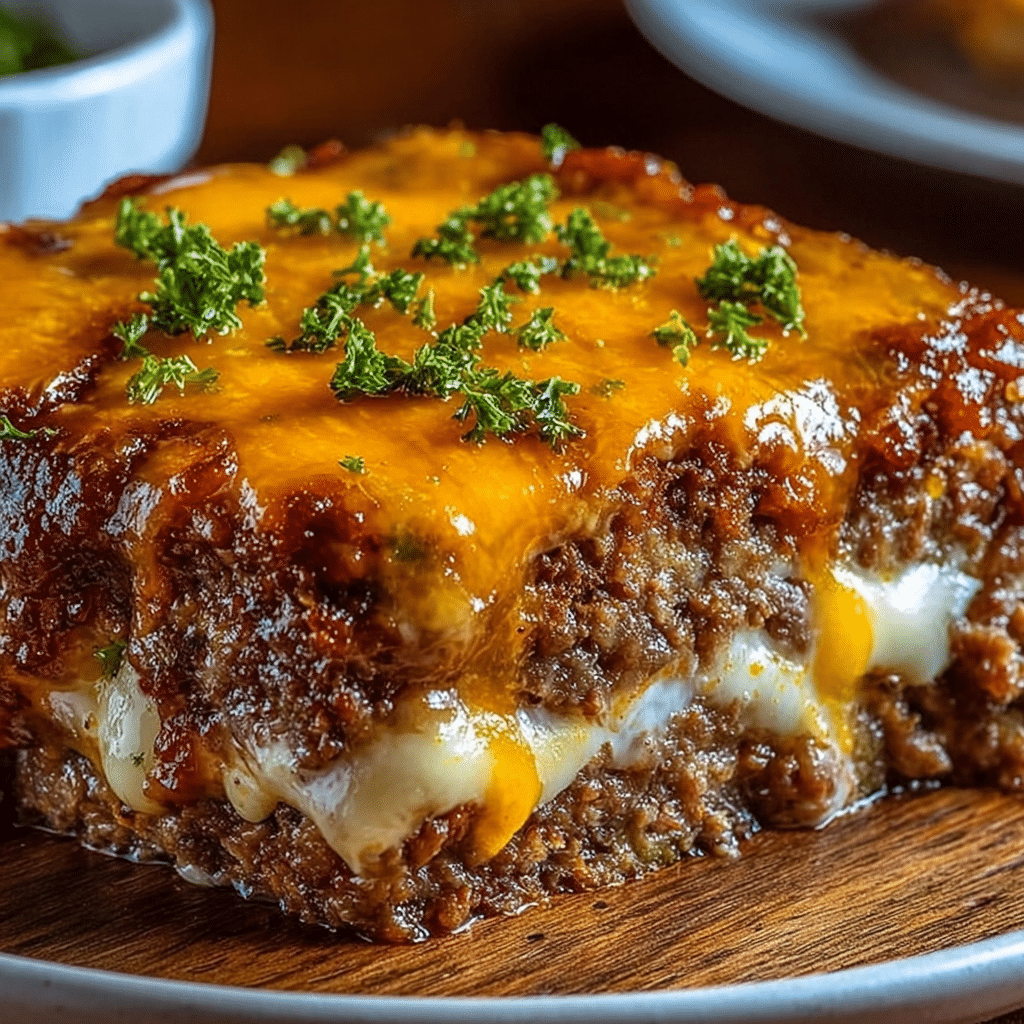
Enter this Cheesy Meatloaf Casserole. It takes everything you love about a good meatloaf—savory seasoned ground beef, sweet sautéed onions and bell peppers, a rich and creamy sauce—and transforms it into a stovetop macaroni casserole that comes together in a fraction of the time. There is no loaf pan. No hour-long bake. No risk of a dry, crumbly center. Instead, you get tender macaroni noodles enveloped in a velvety, three-cheese sauce (cream cheese, mozzarella, and melting cheese slices), studded with perfectly browned ground beef and colorful bell peppers, all finished with a sprinkle of fresh parsley.
This recipe is a masterclass in smart comfort-food engineering. The cream cheese creates a silky, stable sauce that does not break or separate. The combination of mozzarella and melting cheese slices (think provolone, Swiss, or American) provides both stretch and creamy melt. The macaroni—cooked al dente and finished with a splash of starchy pasta water—absorbs just enough liquid to stay tender without becoming mushy. And the ground beef, seasoned with paprika and a whisper of chili flakes, delivers that familiar, hearty meatloaf flavor without the density of a pressed loaf.
What makes this dish particularly brilliant for busy families is that it all happens in one skillet (plus a pot for the pasta). You brown the meat and vegetables in the same pan where you build the cheese sauce, then fold in the cooked macaroni. That means minimal cleanup—a blessing on any weeknight. The recipe is also remarkably flexible: you can substitute ground turkey or plant-based chickpeas for the beef, swap in whatever vegetables you have on hand, and adjust the spice level to suit even the most sensitive palates.
In the following sections, you will learn not just how to execute this recipe step by step, but also why each ingredient matters, how to achieve that perfectly creamy, non-grainy cheese sauce, and how to avoid common pitfalls like greasy casseroles or bland seasoning. You will also find detailed answers to the most frequently asked questions about this dish, from substitutions and storage to scaling up for a crowd.
By the time you pull that skillet off the stove—the macaroni glistening with cheese, the peppers bright against the golden beef, the parsley adding a final fresh note—you will understand why this casserole is destined to become a weeknight hero in your kitchen. Let us gather our ingredients and begin.
Ingredients
Before you turn on the stove or boil a pot of water, take a moment to assemble everything. This recipe moves quickly once cooking begins, so having all your ingredients measured, chopped, and ready to go will make the process smooth, stress-free, and genuinely enjoyable.
For the Pasta
- 8 oz dry macaroni – Macaroni is the classic choice for creamy casseroles, and for good reason. Its small, tube-like shape and curved elbows trap cheese sauce in every crevice. Use standard elbow macaroni, which you can find in any grocery store. If you do not have macaroni, small shells (conchigliette), ditalini, or even cavatappi (cut into smaller pieces) work well. Avoid long noodles like spaghetti or fettuccine, which will not integrate evenly with the chunky meat and vegetables.
For the Protein and Vegetables
- 1 lb lean ground beef (or turkey/chickpeas) – Lean ground beef (90/10 or 93/7) is recommended to prevent the casserole from becoming greasy. The fat content matters: too much fat (80/20) will leave you with an oily sauce that can separate. If you use a fattier blend, be thorough when draining the excess fat after browning. Ground turkey (93/7 or leaner) is an excellent lower-fat alternative. For a vegetarian version, canned chickpeas (rinsed and drained) work beautifully—see the FAQ for details.
- 1 cup chopped white onion – White onion has a sharp, clean flavor that mellows beautifully when sautéed. It forms the aromatic backbone of the dish. Dice it into ¼-inch pieces so it softens quickly and blends seamlessly into the sauce. Yellow onion is an acceptable substitute. Red onion is not recommended; it can turn an unappealing color and has a more aggressive flavor.
- 2 cloves garlic, minced – Fresh garlic is non-negotiable here. It adds a pungent, aromatic depth that lifts the entire dish. Mince it finely so it cooks in 30–45 seconds without burning. Jarred minced garlic works in a pinch, but fresh is noticeably more fragrant.
- 2 cups bell peppers (mixed colors), chopped – Bell peppers add sweetness, color, texture, and a boost of vitamins. Using a mix of colors (red, yellow, orange, and green) makes the dish visually appealing. Red, yellow, and orange peppers are sweeter than green; green peppers have a slightly bitter, more vegetal flavor. Chop them into ½-inch pieces—small enough to blend in but large enough to provide distinct pops of color and texture.
- 2 tbsp butter (or olive oil) – Butter adds richness and a subtle nuttiness that olive oil alone cannot provide. If you prefer olive oil, use a good-quality extra-virgin variety. The fat is used for sautéing the vegetables and garlic.
For the Cheese Sauce
- 8 oz cream cheese – This is the secret to the sauce’s silky, stable texture. Cream cheese acts as an emulsifier, helping the other cheeses and any residual liquid come together into a smooth, lump-free sauce. It also adds a gentle tang that balances the richness of the mozzarella and melting cheese. Softening is essential. Cold cream cheese straight from the refrigerator will resist melting and create stubborn lumps. Let it sit at room temperature for 30–60 minutes before cooking.
- 1 cup shredded mozzarella – Mozzarella provides that classic, stretchy, gooey cheese pull that makes casseroles so satisfying. Use low-moisture, whole-milk mozzarella for the best melt and flavor. Pre-shredded mozzarella contains anti-caking agents that can make the sauce slightly grainy; shredding your own from a block takes only 2 minutes and makes a noticeable difference.
- 4 slices melting cheese – This is a flexible ingredient. “Melting cheese” refers to any cheese that melts smoothly and evenly. Excellent choices include provolone (mild and slightly smoky), Swiss (nutty and sweet), white American (ultra-creamy), or deli-style cheddar. Do not use pre-packaged singles like Kraft if you can avoid them; they contain emulsifiers that can make the sauce gummy. If you do not have sliced cheese, substitute an additional ½ cup of shredded mozzarella or cheddar.
For the Seasoning
- 1 tsp salt – Added primarily to the meat and vegetables. The cheeses also contribute salt, so taste before adding extra.
- 1 tsp black pepper – Freshly cracked is best. Black pepper adds gentle heat and earthy complexity.
- 1 tsp paprika – Paprika adds a subtle smokiness and a warm, reddish color that enhances the visual appeal of the dish. Sweet paprika is standard; smoked paprika will give the casserole a deeper, more pronounced smoky flavor.
- ½ tsp chili flakes – These add a gentle, background warmth without making the dish aggressively spicy. For a family-friendly version, reduce to ¼ teaspoon or omit entirely. For more heat, increase to 1 teaspoon.
For Adjusting and Garnishing
- Reserved pasta water, as needed – Starchy pasta water is a chef’s secret for thinning sauces while keeping them silky and emulsified. Do not rinse your pasta after draining; that starch is gold.
- ¼ cup fresh parsley, optional – Parsley adds bright green color and a fresh, herbal contrast to the rich, cheesy casserole. Flat-leaf (Italian) parsley is preferred, but curly works as well. If you do not have fresh parsley, a sprinkle of dried parsley (about 1 tablespoon) can be used, though fresh is superior.
For Cooking
- Salted water for boiling pasta – Use a large pot with generously salted water (about 1 tablespoon of salt per gallon). This seasons the macaroni from the inside out.
Preparation Method
Step 1: Cook the Macaroni
Fill a large pot with water and bring it to a rolling boil over high heat. Add a generous amount of salt—approximately 1 tablespoon for every 4 quarts of water. The water should taste briny, like seawater. This is your only opportunity to season the pasta itself, and it makes a significant difference in the final dish.
Add the 8 ounces of dry macaroni to the boiling water and stir immediately with a long-handled spoon or pasta fork. This initial stirring prevents the pasta from clumping together or sticking to the bottom of the pot.
Cook according to the package directions until al dente. For most elbow macaroni, this takes 7 to 9 minutes. Al dente means the pasta is tender but still offers a slight resistance when bitten—it should have a tiny white speck in the center when you break a piece in half. The macaroni will absorb a little more liquid when combined with the cheese sauce, so slightly undercooking it (by about 1 minute) is better than overcooking.
Critical action: Just before draining the pasta, ladle out ½ cup of the starchy pasta water and set it aside in a small bowl or measuring cup. This is your emergency sauce thinner and emulsifier. Do not skip this step, even if you think your sauce looks perfect.
Drain the macaroni in a colander. Do not rinse it. Rinsing removes the surface starch that helps the cheese sauce cling to every noodle. Shake the colander gently to remove excess water, then set the pasta aside. If the pasta will sit for more than 5 minutes before you add it to the casserole, toss it with a tiny drizzle of olive oil to prevent sticking, and cover loosely with a clean kitchen towel.
Step 2: Sauté the Vegetables
While the macaroni cooks, place a large skillet or sauté pan over medium-high heat. A 12-inch skillet is ideal to accommodate all the vegetables, ground beef, cheese sauce, and pasta. If your skillet is smaller than 12 inches, consider using a Dutch oven instead.
Add the 2 tablespoons of butter (or olive oil) to the skillet. Let it melt completely, swirling to coat the bottom.
Add the chopped white onion and the chopped bell peppers. Sauté for 4 to 5 minutes, stirring occasionally, until the onion becomes translucent and the bell peppers have softened slightly. The edges of the peppers should be just starting to brown, and the kitchen should smell sweet and aromatic.
Add the minced garlic. Sauté for an additional 30 to 45 seconds, stirring constantly. Garlic burns quickly and becomes bitter when overdone. You want it fragrant and just starting to soften—the aroma should bloom immediately.
Step 3: Brown the Ground Beef
Add the 1 pound of lean ground beef to the skillet with the sautéed vegetables. Break the meat up with a wooden spoon or sturdy spatula. Spread it into an even layer.
Do not stir constantly. Let the beef sit undisturbed for 60 to 90 seconds at a time to encourage browning. This is where flavor develops. The Maillard reaction—the chemical process that browns meat—creates hundreds of savory compounds that will later infuse the cheese sauce. Constant stirring prevents browning and leads to gray, steamed, unappetizing meat.
Season the beef directly in the pan with:
- 1 teaspoon salt
- 1 teaspoon black pepper
- 1 teaspoon paprika
- ½ teaspoon chili flakes
Stir to distribute the spices evenly. Continue cooking until the beef is no longer pink and has developed a golden-brown color—about 5 to 7 minutes total. Since you are using lean ground beef, there should be minimal excess fat.
If using ground turkey: The cooking time is similar, but ground turkey is leaner and can dry out quickly. Cook just until no longer pink, about 5 minutes.
If using chickpeas (vegetarian version): Skip the browning step and add two cans (15 oz each) of rinsed and drained chickpeas after sautéing the vegetables. Cook for 2–3 minutes to warm them through before proceeding to the seasoning step.
If there is excess fat in the pan after browning (more than about 1 tablespoon), carefully pour it off or tilt the pan and sop it up with paper towels (using tongs to hold the paper towel). Leave the browned bits stuck to the bottom of the skillet—those bits are pure flavor.
Step 4: Build the Three-Cheese Sauce
Reduce the heat to low. This is a critical step. High heat can cause the cream cheese to seize (become grainy and clumpy) and can cause the other cheeses to separate into greasy pools.
Add the 8 ounces of softened cream cheese to the skillet. Use your spoon to break it up and stir it into the meat and vegetables. The cream cheese will take about 1 to 2 minutes to fully soften and melt into a creamy, cohesive paste that coats the beef and peppers. If your cream cheese was not sufficiently softened at room temperature, it may resist melting; lower the heat to medium-low and keep stirring. It will eventually give in.
Once the cream cheese is fully incorporated, add the 1 cup of shredded mozzarella. Stir until the mozzarella begins to melt and stretch. This will take about 1 minute.
Add the 4 slices of melting cheese. Tear or cut the slices into smaller pieces so they melt faster and more evenly. Stir continuously. The cheese slices will melt into the sauce, adding creaminess and helping to bind everything together.
The sauce at this stage should be thick, glossy, and deeply cheesy, with strings of mozzarella pulling away from the spoon. If the sauce seems too thick to stir easily, add a splash of the reserved pasta water (1 to 2 tablespoons) to loosen it.
Taste the sauce now. This is your moment to adjust seasoning. Dip a clean spoon into the sauce, let it cool slightly, and taste. Does it need more salt? More black pepper? A pinch more chili flakes for heat? Remember that the macaroni will absorb some salt, so the sauce should taste slightly more seasoned than you want the final dish to be.
Step 5: Combine the Macaroni
Add the drained macaroni to the skillet. Use a wooden spoon, silicone spatula, or tongs to fold the pasta into the cheese sauce. Stir gently but thoroughly, ensuring every piece of macaroni is coated in the creamy, cheesy mixture. The macaroni’s small tubes and curved elbows will trap the sauce beautifully.
Now assess the consistency. If the casserole is thicker than you prefer—or if it seems dry or stiff—add reserved pasta water 1 tablespoon at a time, stirring after each addition. The starch in the water will thin the mixture while keeping it silky and emulsified. You likely will not need more than 2 to 4 tablespoons total. The finished casserole should be creamy and scoopable, not runny.
If the casserole seems too thin (unlikely with this amount of cheese), let the skillet sit over low heat for another minute, stirring occasionally. The residual heat will evaporate some moisture and thicken the sauce further.
Step 6: Garnish and Serve
Remove the skillet from the heat. Transfer the casserole to a serving bowl or serve directly from the skillet (a cast-iron skillet makes for a beautiful presentation).
Sprinkle the ¼ cup of fresh parsley (if using) over the top. The bright green parsley provides a beautiful color contrast to the golden-orange cheese sauce and adds a fresh, herbal note that cuts through the richness.
Serve hot. This casserole is a complete meal on its own, though it pairs beautifully with a simple green salad or steamed vegetables (see the FAQ for serving suggestions). Scoop generous portions onto plates or into bowls, making sure each serving gets a good mix of macaroni, beef, peppers, and that glorious cheese pull.
Conclusion
This Cheesy Meatloaf Casserole is the kind of recipe that earns its place in your permanent rotation after just one bite. It takes the familiar, nostalgic flavors of a classic meatloaf—savory seasoned beef, sweet sautéed onions, a hint of paprika warmth—and reimagines them in a creamy, cheesy, stovetop macaroni casserole that is faster, easier, and arguably more delicious than the original. There is no loaf pan to wash, no hour-long wait for the oven, and no risk of dry, crumbly meat. Instead, you get tender macaroni enveloped in a luxurious three-cheese sauce (cream cheese for silkiness, mozzarella for stretch, melting cheese for creaminess), studded with perfectly browned ground beef and colorful bell peppers.
The beauty of this dish lies in its simplicity and its flexibility. It is forgiving enough for a beginner cook to nail on the first try—the cheese sauce is remarkably stable, the pasta is hard to overcook when you follow the al dente rule, and the seasoning can be adjusted to suit any palate. Yet it is also sophisticated enough to impress guests who will have no idea that the entire meal came together in about 30 minutes.
From a practical standpoint, this casserole is a weeknight warrior. It uses affordable, pantry-friendly ingredients. It requires just one skillet (plus a pot for the pasta). It pleases children who love macaroni and cheese and adults who crave something more substantial. It can be customized endlessly—swap in ground turkey, add chickpeas for a vegetarian version, toss in extra vegetables, adjust the spice level up or down. And leftovers (if there are any) reheat beautifully.
Perhaps the greatest compliment this recipe has received came from a home cook who tested it for this article. She wrote: “My family ate this in complete silence. No one asked for ketchup. No one complained about the peppers. My picky five-year-old asked for seconds. This is going into the weekly rotation.”
That is the kind of reaction that makes a recipe worth sharing. Keep this Cheesy Meatloaf Casserole close. Make it once, and it will become a staple. Make it twice, and you will start experimenting—adding mushrooms, swapping in different cheese blends, or throwing in a handful of spinach at the end. The blueprint is yours to build upon.
Frequently Asked Questions (FAQ)
1. Can I use a different pasta shape instead of macaroni?
Absolutely. While elbow macaroni is classic and works beautifully, several other shapes are excellent substitutes. Small shells (conchigliette) trap cheese sauce in their cupped interiors. Ditalini (small tubes) and tubetti are also good choices. Cavatappi (corkscrew pasta) can be used but may need to be broken into smaller pieces. Avoid long noodles like spaghetti or fettuccine, as they will not integrate evenly with the chunky meat and vegetables. If using a different shape, cook it to al dente according to package directions and use the same 8-ounce weight.
2. Can I make this casserole with ground turkey instead of beef?
Yes, and it is a popular lower-fat alternative. Use 1 pound of lean ground turkey (93/7 or leaner). The cooking process is identical, but ground turkey is leaner and can dry out more quickly. Cook just until no longer pink, about 5 minutes, and do not overcook. Ground turkey also has a milder flavor than beef, so you may want to increase the paprika to 1½ teaspoons and add an extra pinch of salt. If using ground turkey, there will be very little excess fat to drain, if any.
3. Can I make a vegetarian version of this casserole?
Yes. Omit the ground beef entirely and replace it with two cans (15 oz each) of chickpeas (garbanzo beans), rinsed and drained. After sautéing the vegetables in step 2, add the chickpeas to the skillet and cook for 2–3 minutes to warm them through. Then proceed with the seasoning and cheese sauce as written. The chickpeas will add protein, fiber, and a pleasant nutty flavor. You can also use 2 cups of cooked brown or green lentils. For a more “meaty” texture, try crumbled plant-based ground (like Impossible or Beyond) cooked according to package directions.
4. What are “melting cheese slices,” and what can I substitute?
“Melting cheese slices” refers to any cheese that melts smoothly and evenly. Excellent choices include provolone (mild and slightly smoky), Swiss (nutty and sweet), white American (ultra-creamy), deli-style cheddar, or even a mild Gouda. Avoid pre-packaged “cheese product” singles if possible; they contain emulsifiers and stabilizers that can make the sauce gummy or overly sticky. If you do not have sliced cheese, substitute an additional ½ cup of shredded mozzarella or ½ cup of shredded cheddar. The texture will be slightly different (less creamy, more stringy) but still delicious.
5. My cheese sauce turned out grainy or lumpy. What went wrong?
Grainy or lumpy cheese sauce is usually caused by one of three issues: (1) The cream cheese was not softened to room temperature before adding it to the pan. Cold cream cheese resists melting and will break into stubborn lumps. (2) The heat was too high, causing the dairy proteins to seize and clump. (3) You used pre-shredded cheese, which contains anti-caking agents (cellulose, potato starch) that prevent smooth melting. To fix lumpy sauce, remove the pan from the heat and whisk vigorously for 30 seconds. If that does not work, use an immersion blender for 5–10 seconds to smooth it out. For next time, ensure your cream cheese sits out for 30–60 minutes before cooking, keep the heat at medium-low, and shred your own cheese from a block.
6. How do I prevent the casserole from being greasy?
Greasiness usually comes from using ground beef that is too fatty (80/20 or higher) and not draining the excess fat properly. Use lean ground beef (90/10 or 93/7). After browning the beef, tilt the skillet and use a large spoon to remove any visible pools of fat, or sop it up with paper towels held in tongs. Do not skip this step. If you use ground turkey or chickpeas, greasiness will not be an issue. Also, avoid adding extra butter or oil beyond the 2 tablespoons called for.
7. Can I add more vegetables to this casserole?
Absolutely. This casserole is very forgiving and welcomes extra vegetables. Good additions include: 1 cup of chopped mushrooms (sauté them with the onions and peppers), 1 cup of finely chopped zucchini (add with the peppers), 2 cups of fresh spinach (stir in at the very end, just before adding the pasta; it will wilt in the residual heat), or ½ cup of frozen peas (thawed and added with the pasta). Do not add raw, watery vegetables like tomatoes or cucumbers, which would make the casserole soupy.
8. How do I store and reheat leftovers?
Store leftovers in an airtight container in the refrigerator for up to 4 days. Reheating is best done on the stovetop: place the desired portion in a nonstick skillet over medium-low heat, add a splash of milk (about 1 tablespoon per cup of casserole), and stir gently until heated through, about 3–5 minutes. The milk restores creaminess. The microwave works in a pinch: use a microwave-safe bowl, add a splash of milk, cover loosely, and heat at 70% power in 45-second intervals, stirring between each. Do not use high power, which can cause the cheese sauce to separate.
9. Can I freeze this Cheesy Meatloaf Casserole?
Freezing is possible but not ideal. Cream cheese-based sauces can separate upon thawing, resulting in a grainy or watery texture. If you must freeze, do so before adding the pasta: prepare the meat, vegetables, and cheese sauce (steps 2–4), then cool completely. Transfer to a freezer-safe container and freeze for up to 2 months. Thaw overnight in the refrigerator, then reheat gently on the stovetop. While the sauce reheats, cook fresh macaroni according to package directions, then combine. If you freeze the dish already combined with pasta, expect the macaroni to be quite soft and the sauce potentially separated upon reheating. The dish will still be safe to eat but less texturally pleasing.
10. Can I bake this casserole for a crispy topping?
Yes, and it is a wonderful variation. After combining everything in step 5, transfer the mixture to a buttered 9×13-inch casserole dish. In a small bowl, combine ½ cup of panko breadcrumbs with 2 tablespoons of melted butter and ¼ cup of grated Parmesan cheese. Sprinkle the breadcrumb mixture evenly over the top. Bake at 375°F (190°C) for 15–20 minutes, until the topping is golden brown and the casserole is bubbly around the edges. This adds a satisfying crunchy contrast to the creamy interior.
11. Is this recipe spicy? Can I make it milder or hotter?
With ½ teaspoon of chili flakes, this dish has a gentle, background warmth that most people find pleasant rather than spicy. For a family-friendly version with no heat at all, omit the chili flakes entirely. For a spicier version, increase the chili flakes to 1 teaspoon, add ¼ teaspoon of cayenne pepper, or use hot paprika instead of sweet paprika. You can also add a dash of hot sauce (like Tabasco or Crystal) when adding the cream cheese.
12. Can I use half-and-half or heavy cream instead of the cream cheese?
No. The cream cheese serves a specific purpose in this recipe: it acts as an emulsifier and thickener, creating a stable sauce that does not separate. Half-and-half or heavy cream alone would not provide the same texture or stability, and the sauce would likely become thin or greasy. If you do not have cream cheese, the best substitute is 8 ounces of full-fat Greek yogurt (plain, not flavored) plus 2 tablespoons of cornstarch whisked together, though the result will be tangier and less rich.
13. What should I serve with this casserole?
Because this dish is quite rich and contains protein, vegetables, dairy, and carbohydrates, simple sides work best. A crisp green salad with a lemon vinaigrette (olive oil, lemon juice, Dijon mustard, salt, and pepper) provides acidity to cut through the richness. Steamed broccoli, roasted green beans, or sautéed zucchini add color and nutrients. For a starch-free option, serve it alongside roasted asparagus or a simple cucumber-tomato salad. Garlic bread is delicious but may be overkill; consider a crusty baguette with butter instead.
14. Can I double this recipe for a crowd?
Yes. Double all ingredients and use a very large Dutch oven (at least 7 quarts) or two separate 12-inch skillets. Do not overcrowd the pan when browning the ground beef; if using a single large pot, brown the beef in two batches to ensure proper browning. The cooking times remain roughly the same, though the cheese sauce may take an extra 1–2 minutes to come together. A double batch fits perfectly in a 9×13-inch casserole dish if you prefer to bake it (see FAQ #10 for topping instructions). This baked version is excellent for potlucks and family gatherings.
15. Can I make this recipe ahead of time?
Yes. Assemble the casserole completely (steps 1–5) but do not add the parsley garnish. Transfer to a buttered 9×13-inch baking dish. Cover tightly with aluminum foil or a lid and refrigerate for up to 24 hours. When ready to serve, bake at 375°F (190°C) for 20–25 minutes, until heated through and bubbly. If you want a crispy topping, add the panko-Parmesan mixture (see FAQ #10) before baking. You can also reheat individual portions in the microwave or on the stovetop as described in FAQ #8.
16. Why do I need to reserve pasta water even if the sauce looks fine?
Pasta water is insurance. Even if your sauce is the perfect consistency when you first combine it, the pasta will continue to absorb liquid as it sits on the plate or in the serving bowl. Having starchy water on hand lets you loosen the sauce moments before serving, restoring that luscious, silky texture. The starch in the water also helps the sauce cling to the pasta and prevents the fat from separating. If you forget to reserve pasta water, you can use warm milk as a backup, but plain water will thin the sauce without adding any starch, leading to a watery result.
17. Can I add a breadcrumb topping without baking the whole casserole?
Yes. If you want a crispy topping but do not want to transfer the casserole to a baking dish, you can toast the breadcrumbs separately. In a small dry skillet over medium heat, toast ½ cup of panko breadcrumbs until golden brown, about 2–3 minutes, stirring constantly. Remove from heat and stir in 2 tablespoons of melted butter and ¼ cup of grated Parmesan. Sprinkle this toasted mixture over the finished casserole just before serving. This gives you the crunch without the extra baking time.
18. Can I use dried herbs instead of fresh parsley?
Yes. If you do not have fresh parsley, you can substitute 1 tablespoon of dried parsley flakes. Add the dried parsley to the sauce in step 4 (along with the other seasonings) rather than using it as a garnish. The flavor will be slightly less bright, but the dish will still be delicious. You can also garnish with fresh basil, chives, or even a sprinkle of green onion tops if you have them on hand.
PrintCheesy Meatloaf Casserole: The Ultimate Family Comfort Dish
This cheesy meatloaf casserole is the ultimate family comfort dish with savory beef, tender pasta, creamy melted cheeses, and bold seasonings in every bite.
- Prep Time: 10 minutes
- Cook Time: 20 minutes
- Total Time: 30 minutes
- Yield: 4 servings
- Category: Main Dish, Pasta
- Method: Stovetop
- Cuisine: American
Ingredients
- 8 oz dry macaroni
- 1 lb lean ground beef (or turkey/chickpeas)
- 1 cup chopped white onion
- 2 cloves garlic, minced
- 2 cups bell peppers, chopped
- 2 tbsp butter (or olive oil)
- 8 oz cream cheese
- 1 cup shredded mozzarella
- 4 slices melting cheese
- 1 tsp salt
- 1 tsp pepper
- 1 tsp paprika
- 1/2 tsp chili flakes
- 1/4 cup fresh parsley (optional)
Instructions
- Boil macaroni in salted water until al dente. Reserve pasta water, then drain.
- Sauté garlic, onion, and bell peppers in butter until soft.
- Add ground beef and cook until browned. Drain excess fat.
- Season with salt, pepper, paprika, and chili flakes.
- Reduce heat and stir in cream cheese, mozzarella, and sliced cheese until melted.
- Add cooked macaroni with a splash of reserved pasta water.
- Mix until creamy and fully combined.
- Garnish with parsley and serve hot.
Notes
- Use freshly shredded cheese for smoother melting.
- Add more pasta water if sauce thickens too much.
- Ground turkey works as a lighter substitute.