
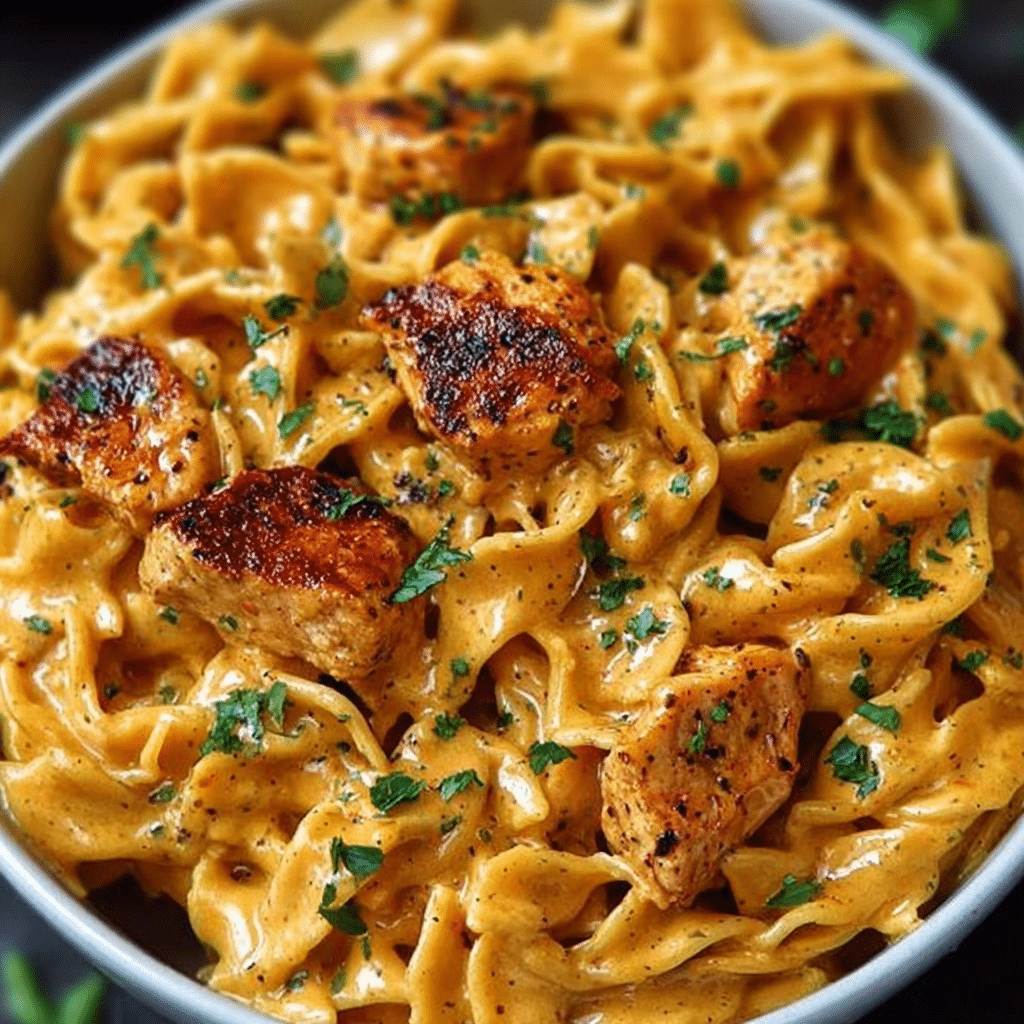
Pasta dishes are the cornerstone of comfort food, but every once in a while, a recipe comes along that elevates the standard “creamy chicken pasta” into something truly bold and unforgettable. Enter the Cowboy Butter Chicken Pasta. This dish takes the viral, zesty flavors of “cowboy butter”—a compound butter famous for its punchy mix of garlic, herbs, and red pepper—and transforms it into a luscious, silk-like sauce that clings to every strand of pasta. Whether you are preparing a quick weeknight dinner for the family or looking for a sophisticated meal to impress guests, this recipe delivers a professional-grade balance of heat, fat, and acidity.
The secret to a great Cowboy Butter Chicken Pasta lies in the layering of flavors. We aren’t just tossing chicken and noodles in cream; we are building a foundation of sautéed aromatics, deglazing the pan to capture every bit of savory goodness, and finishing with high-quality Parmesan cheese to create an emulsified sauce that never feels heavy or greasy. In this comprehensive guide, we will explore the nuances of this recipe, from selecting the right cut of poultry to mastering the science of the perfect “al dente” finish.
The Anatomy of the Cowboy Butter Flavor Profile
Before diving into the kitchen, it is helpful to understand what makes “Cowboy” flavors unique. Unlike a traditional Alfredo or a simple garlic butter sauce, Cowboy Butter is defined by its complexity. It usually incorporates a sharp acidity, a hit of heat from red pepper flakes, and a heavy dose of fresh and dried herbs.
In this pasta adaptation, we use a base of unsalted butter and heavy cream to provide the “canvas,” then paint on the flavors using minced garlic, diced onions, and a robust Italian seasoning blend. The result is a sauce that is deeply aromatic and slightly spicy, providing a rustic, “western-style” kick that sets it apart from classic Italian-American pasta dishes.
Essential Ingredients for Success
To achieve the best results, quality is everything. Below are the specific components needed to whip up your Cowboy Butter Chicken Pasta.
The Foundation
- 12 ounces Pasta of your choice: While penne or fettuccine are excellent choices for holding onto thick sauces, you can also use rigatoni or pappardelle.
- 1 pound Chicken breast: Ensure it is boneless and skinless. Cutting the chicken into uniform, bite-sized pieces ensures even cooking and a consistent distribution of protein in every forkful.
The Aromatics and Fats
- 4 tablespoons Butter: Unsalted is strongly recommended. This allows you to control the sodium levels yourself, which is crucial when you are also adding salty elements like Parmesan and chicken broth.
- 4 cloves Garlic: Freshly minced garlic provides a much more vibrant and spicy flavor than the pre-jarred variety.
- 1 medium Onion: Diced finely. This provides a subtle sweetness and texture that blends into the sauce.
The Creamy Base
- 1 cup Heavy cream: This creates the signature velvety mouthfeel. For those looking for a lighter or dairy-free twist, coconut milk can be substituted, though it will add a slight tropical undertone.
- 1 cup Chicken broth: Low-sodium is preferred. This thins the sauce slightly while adding a deep savory layer that water alone cannot provide.
- 1 cup Parmesan cheese: Use freshly grated Parmesan if possible. Pre-shredded cheeses are often coated in cellulose or potato starch to prevent clumping, which can result in a grainy sauce.
The Seasoning and Garnish
- 1 tablespoon Italian seasoning: This typically includes a blend of basil, oregano, rosemary, and thyme.
- 1 teaspoon Red pepper flakes: This is the “Cowboy” kick. Feel free to adjust this to your personal spice tolerance.
- Salt and pepper: To taste.
- Fresh parsley (optional): For a pop of color and a fresh, herbaceous finish.
Comprehensive Preparation Method
A professional dish is the result of professional technique. Follow these steps carefully to ensure your sauce is emulsified and your chicken remains juicy.
Step 1: Mastering the Pasta and the “Liquid Gold”
Start by bringing a large pot of water to a rolling boil. Use more water than you think you need—pasta requires plenty of room to move so it doesn’t stick together. Generously salt the water; it should taste like the sea. This is your only chance to season the pasta itself from the inside out.
Add your 12 ounces of pasta and cook according to the package instructions. However, the professional secret is to aim for “al dente”—about 1 to 2 minutes less than the “tender” instruction. This ensures the pasta has a firm bite and won’t turn to mush when it hits the hot sauce later.
Crucial Step: Before draining, reserve 1 cup of the cloudy pasta water. This water is full of starch and is a professional chef’s “secret weapon” for thinning out a sauce while helping it stick to the noodles. Once reserved, drain the pasta and set it aside.
Step 2: Sautéing the Chicken for Maximum Flavor
In a large skillet over medium heat, melt 2 tablespoons of the butter. While the butter is melting, pat your chicken pieces dry with a paper towel. Removing surface moisture is the only way to get a proper golden-brown sear; otherwise, the chicken will steam rather than sauté.
Season the chicken with salt and pepper, then add it to the skillet. Cook for 6 to 8 minutes, stirring occasionally. You are looking for a golden-brown crust on the outside and an internal temperature of 165°F. Once cooked, remove the chicken from the pan and set it aside on a plate. Do not wash the skillet! Those brown bits stuck to the bottom (called “fond”) are concentrated flavor.
Step 3: Building the Cowboy Butter Sauce
Add the remaining 2 tablespoons of butter to the same skillet. Once melted, add your diced onion. Sauté for about 2 minutes until it begins to soften, then add the minced garlic. Garlic burns quickly, so only sauté it for about 60 seconds until it becomes fragrant.
This step is where the “Cowboy” character is born. The butter picks up the chicken flavors from the pan and the sharp aromatics of the garlic and onion, creating a rich, savory oil that will flavor the entire dish.
Step 4: Simmering the Cream and Broth
Carefully pour in the 1 cup of heavy cream and 1 cup of chicken broth. Use a wooden spoon or whisk to scrape the bottom of the pan, incorporating those browned chicken bits into the liquid. Add the tablespoon of Italian seasoning and the red pepper flakes.
Turn the heat down to low-medium. Let the sauce simmer gently for about 5 minutes. You want to see small bubbles, not a violent boil, which could cause the cream to separate. As the water in the cream and broth evaporates, the sauce will naturally thicken.
If the sauce becomes too thick or looks “gloopy,” add a splash of your reserved pasta water. The starch in that water acts as a bridge between the fats in the butter and the liquids in the broth, ensuring a smooth, glossy finish.
Step 5: The Grand Assembly
Add the grated Parmesan cheese to the sauce and stir until it is completely melted and the sauce is perfectly smooth. Now, return the cooked chicken and the drained pasta to the skillet.
Toss everything together using tongs or a large spoon. Let it cook for an additional 2 minutes over low heat. This “melding” phase allows the pasta to finish its final minute of cooking inside the sauce, absorbing the cream and spices into the noodles themselves. Taste the dish and add more salt, pepper, or red pepper flakes if desired. Garnish with fresh parsley for a professional presentation.
Pro Tips for the Best Cowboy Butter Pasta
To truly master this dish, keep these culinary insights in mind:
Deglazing Technique
The process of adding broth and cream to the hot pan after cooking the chicken is called “deglazing.” It is a fundamental French technique that ensures no flavor is wasted. If you want an even deeper flavor, you can deglaze with a splash of dry white wine (like Sauvignon Blanc) before adding the broth and cream.
Preventing Sauce Separation
If your sauce looks oily or “broken,” it usually means the heat was too high after the cheese was added. To fix a broken sauce, remove the pan from the heat and whisk in a tablespoon of very hot pasta water. the starch will help pull the emulsion back together.
Chicken Variations
While chicken breast is standard, you can use boneless, skinless chicken thighs for a juicier, richer result. Thighs are more forgiving and less likely to dry out if you accidentally overcook them during the sautéing phase.
Vegetable Additions
If you want to add some nutritional density to the meal, this recipe pairs beautifully with fresh spinach or sun-dried tomatoes. Add fresh spinach during the final 2 minutes of simmering; the heat of the sauce will wilt it perfectly without overcooking it.
Troubleshooting and Storage
Dealing with “Thick” Leftovers
Pasta continues to absorb moisture even after it is refrigerated. If you have leftovers, you will notice the sauce becomes very thick or even disappears into the noodles by the next day. When reheating, add a tablespoon of water or milk per serving to “reactivate” the sauce and bring back that creamy consistency.
Storing and Freezing
This dish stays fresh in an airtight container in the refrigerator for up to 3 days. We do not recommend freezing this specific recipe, as dairy-based sauces (heavy cream and Parmesan) have a tendency to separate and become grainy once thawed and reheated.
Frequently Asked Questions
Can I make this recipe dairy-free?
Yes. You can substitute the butter with a high-quality vegan butter or olive oil, and replace the heavy cream with full-fat canned coconut milk. For the Parmesan, use a nutritional yeast-based vegan parmesan or simply omit it and increase the salt and Italian seasoning to compensate for the loss of flavor.
What is the best pasta shape for this sauce?
Wide, flat noodles like fettuccine or tagliatelle provide a large surface area for the creamy sauce to cling to. However, tubular shapes like penne or rigatoni are also excellent because the sauce gets trapped inside the tubes, providing a “burst” of flavor in every bite.
Is Cowboy Butter Chicken Pasta spicy?
As written with 1 teaspoon of red pepper flakes, the dish has a noticeable but mild heat. If you are cooking for children or people who prefer zero spice, reduce the red pepper flakes to 1/4 teaspoon or omit them entirely. If you want a “True Cowboy” experience, increase to 2 teaspoons and add a teaspoon of Dijon mustard to the sauce.
Why is my chicken tough?
Chicken breast becomes tough if it is overcooked. To keep it tender, ensure the skillet is hot before adding the meat to get a quick sear, and remove it from the pan the moment it is no longer pink in the middle. It will finish its final bit of cooking when you return it to the sauce at the end.
Can I use fresh herbs instead of Italian seasoning?
Absolutely. Fresh herbs will always provide a brighter, more aromatic result. Use a mix of fresh basil, oregano, and thyme. Since fresh herbs are less concentrated than dried, you will need to triple the amount (use about 3 tablespoons of chopped fresh herbs in place of 1 tablespoon of dried).
Do I have to use chicken broth?
If you don’t have chicken broth, you can use vegetable broth or even water in a pinch. However, using water will result in a less “deep” flavor profile. If using water, you may need to add a bit more salt and garlic powder to maintain the savory balance.
Can I add mushrooms to this?
Mushrooms are a fantastic addition to Cowboy Butter Chicken Pasta. Sauté sliced cremini or button mushrooms along with the onions and garlic. They will absorb the butter and spices, adding an earthy “umami” quality to the dish.
How do I get a really thick sauce?
If you prefer an exceptionally thick, restaurant-style sauce, let the cream and broth simmer for an extra 3 to 4 minutes before adding the cheese. You can also whisk in a teaspoon of cornstarch mixed with a teaspoon of cold water (a “slurry”) during the simmering stage.
Conclusion
Cowboy Butter Chicken Pasta is a testament to how simple ingredients, when treated with the right techniques, can create a meal that feels both rustic and luxurious. By mastering the art of the sear, the patience of a slow-simmered cream sauce, and the science of starchy pasta water, you transform a standard dinner into a culinary event.
This recipe is designed to be flexible—feel free to adjust the spice, swap the pasta shapes, or add your favorite vegetables. The core “Cowboy” spirit of the dish remains: bold, buttery, and undeniably satisfying. As you plate your pasta and garnish it with fresh parsley, you’ll see that the effort put into building those layers of flavor was well worth it. Whether it’s a busy Monday night or a relaxed Sunday afternoon, this creamy, flavorful pasta is sure to become a staple in your recipe rotation. Enjoy the rich, zesty experience of a true Cowboy Butter sauce in every single bite.
PrintThe Ultimate Guide to Creamy Cowboy Butter Chicken Pasta
Cowboy Butter Chicken Pasta is a rich, creamy, and slightly spicy pasta dish made with tender chicken, garlic butter sauce, Parmesan, and Italian spices.
- Prep Time: 10 minutes
- Cook Time: 25 minutes
- Total Time: 35 minutes
- Yield: 4 servings
- Category: Main Dish, Pasta
- Method: Stovetop
- Cuisine: American
Ingredients
Pasta
- 12 oz pasta (penne or fettuccine)
Chicken
- 1 lb chicken breast, bite-sized pieces
- Salt and pepper to taste
- 2 tbsp butter (for cooking chicken)
Sauce
- 4 tbsp unsalted butter
- 4 cloves garlic, minced
- 1 medium onion, diced
- 1 cup heavy cream
- 1 cup chicken broth
- 1 cup Parmesan cheese, grated
- 1 tbsp Italian seasoning
- 1 tsp red pepper flakes (adjust to taste)
Garnish
- Fresh parsley (optional)
Instructions
- Cook pasta in salted boiling water until al dente. Reserve 1 cup pasta water, then drain.
- Heat 2 tbsp butter in a skillet, season chicken with salt and pepper, and cook until golden and cooked through. Remove and set aside.
- In the same skillet, melt remaining butter and sauté garlic and onion until fragrant and soft.
- Add heavy cream, chicken broth, Italian seasoning, and red pepper flakes. Simmer 5 minutes.
- Return chicken and pasta to the skillet. Stir in Parmesan cheese.
- Mix well, adjust seasoning, and use pasta water if sauce is too thick.
- Cook 2 more minutes, garnish with parsley, and serve hot.
Notes
- Use pasta water to adjust sauce thickness.
- Add extra chili flakes for more heat.
- Freshly grated Parmesan melts best.