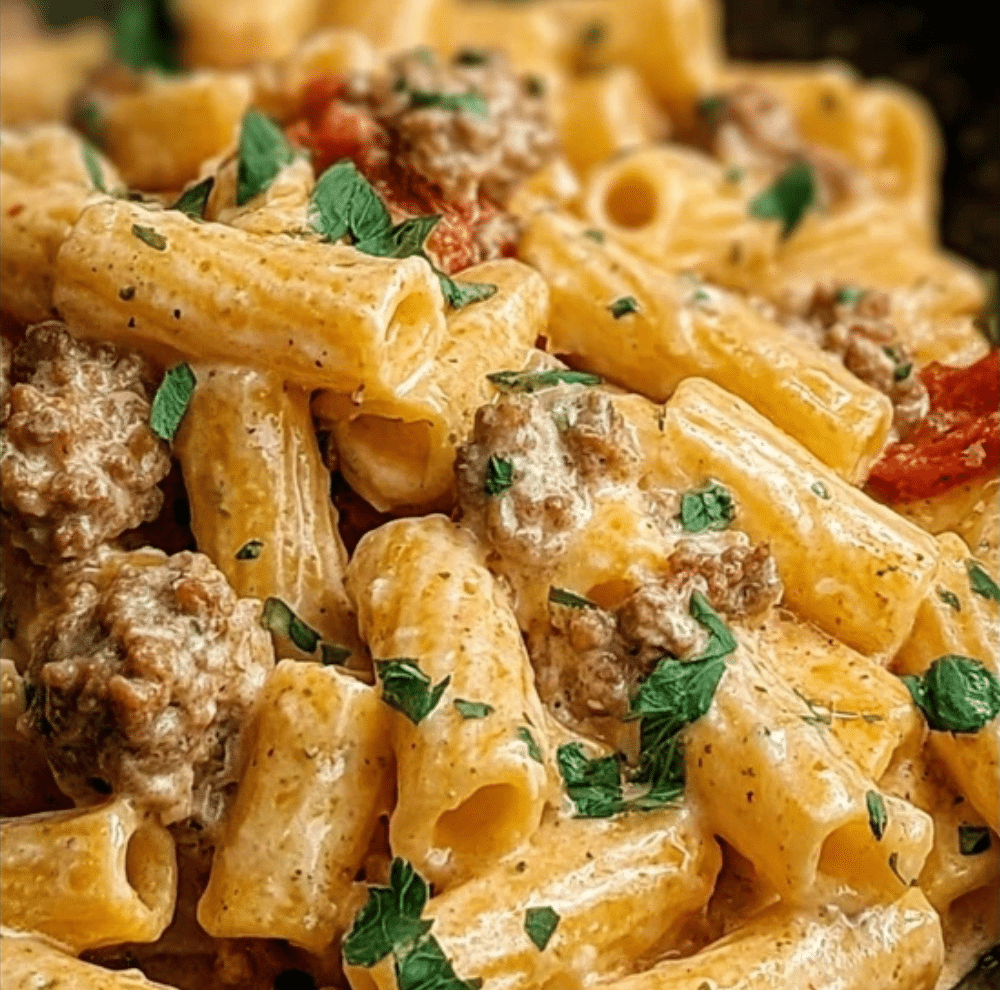
In the vast landscape of Italian-American cuisine, few dishes strike the perfect balance between rustic charm and sophisticated indulgence quite like Creamy Italian Sausage Rigatoni. It is a dish that speaks to the soul of home cooking—a harmonious marriage of textured pasta, savory protein, and a velvet-smooth sauce that clings to every ridge. Whether you are preparing a quick weeknight dinner for the family or hosting an elegant weekend gathering, this recipe stands as a testament to the power of high-quality ingredients and simple, effective techniques.
This guide is designed to be more than just a set of instructions; it is a deep dive into the culinary principles that make this dish a “must-try delight.” We will explore the science of emulsification, the importance of pasta shapes, and the nuances of flavor development that transform basic pantry staples into a restaurant-quality masterpiece.
The Heart of the Dish: An Introduction
To understand why this specific combination of Italian sausage and rigatoni works so well, one must look at the architecture of the meal. Rigatoni, with its large diameter and external ridges (the name comes from the Italian word rigato, meaning “ridged”), is engineered specifically to capture chunky sauces. Unlike smooth pasta like penne lisce, rigatoni provides the necessary surface area for a heavy cream and Parmesan emulsion to adhere, ensuring that no bite is left dry.
The protein choice, Italian sausage, introduces a complex flavor profile that would require a dozen individual spices to replicate otherwise. Infused with fennel seeds, garlic, and varying levels of capsicum, the sausage acts as the primary seasoning agent for the entire skillet. When browned correctly, the rendered fats mingle with the aromatics—onion and garlic—to create a “soffritto” base that serves as the foundation of the sauce.
What sets this particular rendition apart is the “creamy” element. We aren’t just adding cream for the sake of richness; we are using it to mellow the acidity of the pork and the heat of the red pepper flakes, creating a balanced palate that feels indulgent without being overly heavy.
The Essential Components: Ingredients
Precision is the key to consistency. Below are the ingredients required to serve four people. While the method is straightforward, the quality of these components will dictate the final result.
- 8 ounces Rigatoni Pasta: Choose a high-quality, bronze-cut pasta if possible. Bronze-cut pasta has a rougher surface, which is essential for sauce adhesion.
- 1 tablespoon Olive Oil: Use extra virgin olive oil for its low acidity and fruity undertones. This is used primarily to jumpstart the browning of the sausage.
- 1 pound Italian Sausage: You may choose mild or spicy depending on your heat tolerance. Ensure the casings are removed so the meat can be crumbled into small, bite-sized pieces.
- 1 small Onion: A yellow or white onion works best here. When diced finely, it provides a subtle sweetness that balances the saltiness of the sausage and cheese.
- 3 cloves Garlic: Freshly minced garlic is non-negotiable. Avoid the pre-minced jars, as they often carry a bitter, acidic aftertaste that can ruin a delicate cream sauce.
- 1 teaspoon Dried Oregano: This herb provides the classic “earthy” Italian aroma that complements the fennel in the sausage.
- 1/2 teaspoon Red Pepper Flakes (Optional): For those who enjoy a “back-of-the-throat” heat. Even a small amount enhances the other flavors without making the dish “spicy.”
- 1 cup Heavy Cream: This provides the luxurious mouthfeel. For a truly stable sauce, use cream with a fat content of at least 36%.
- 1/2 cup Grated Parmesan Cheese: Use real Parmigiano-Reggiano for the best melt and salt profile. Pre-shredded cheeses often contain anti-caking agents (like cellulose) that can prevent the sauce from becoming perfectly smooth.
- Salt and Pepper: To be used at various stages of the cooking process to layer the seasoning.
- Fresh Parsley: Chopped finely for a burst of color and a fresh, herbaceous finish that cuts through the richness of the cream.
The Masterclass Method: Step-by-Step Preparation
Achieving the perfect Creamy Italian Sausage Rigatoni requires a rhythmic approach to the kitchen. By following these steps, you ensure that the pasta and the sauce reach their peak at exactly the same moment.
1. The Foundation: Boiling the Pasta
The first step is often the most overlooked: the water. Fill a large pot with enough water to allow the rigatoni to move freely. Add a generous amount of salt—it should taste like the sea. This is your only chance to season the pasta itself from the inside out.
Bring the water to a rolling boil and add the 8 ounces of rigatoni. Follow the package instructions but aim for al dente—literally “to the tooth.” This means the pasta should still have a firm bite in the center. Remember, the pasta will continue to cook for a minute or two once it hits the hot cream sauce later.
Crucial Step: Before draining the pasta, use a heat-proof measuring cup to reserve 1/2 cup of the starchy pasta water. This liquid is “liquid gold” in Italian cooking. It contains the starch released by the pasta, which acts as a natural emulsifier to help bind the oil-based sausage fats with the water-based cream.
2. Searing the Protein
While the pasta is boiling, place a large skillet over medium heat and add 1 tablespoon of olive oil. Once the oil is shimmering but not smoking, add the 1 pound of Italian sausage.
Use a wooden spoon or a spatula to break the meat apart into small crumbles. The goal here is “Maillard reaction”—the browning of the meat proteins. Do not rush this. Let the sausage sit for a minute or two before stirring to allow a crust to develop. Cook for about 5-7 minutes until the meat is fully browned and no longer pink.
3. Building the Aromatics
Once the sausage is browned, do not drain the fat unless it is excessive. That rendered fat is packed with flavor. Add the diced small onion to the skillet. Sauté the onion in the sausage drippings for about 3-4 minutes. You want the onions to become translucent and soft, picking up the browned bits (fond) from the bottom of the pan.
Next, stir in the 3 cloves of minced garlic, 1 teaspoon of dried oregano, and the 1/2 teaspoon of red pepper flakes. Garlic burns easily, so only cook this mixture for an additional 1-2 minutes. You’ll know it’s ready when the kitchen begins to smell like a professional trattoria.
4. Creating the Velvet Sauce
Reduce the heat slightly and pour in the 1 cup of heavy cream. Use your spoon to scrape the bottom of the skillet, ensuring all the flavorful browned bits are incorporated into the liquid. Bring the cream to a gentle simmer.
Once simmering, sprinkle in the 1/2 cup of grated Parmesan cheese. Stir constantly until the cheese has melted completely into the cream. At this point, the sauce will begin to thicken into a luxurious, pale-orange coating. Taste the sauce now. Depending on the saltiness of your sausage and cheese, add salt and pepper to your preference.
5. The Marriage of Pasta and Sauce
Add the cooked, drained rigatoni directly into the skillet. Toss the pasta vigorously to ensure every tube is coated inside and out with the cream sauce.
If the sauce looks too thick or “tight,” this is when you use your reserved pasta water. Add it one tablespoon at a time, tossing as you go. The starch in the water will keep the sauce creamy and prevent it from breaking into an oily mess. The final result should be a glossy, cohesive coating that clings to the rigatoni.
6. The Final Flourish
Remove the skillet from the heat. The residual heat will continue to thicken the sauce, so it is better to serve it while it looks slightly “loose.” Garnish the dish with a generous handful of chopped fresh parsley. The green brightness provides a visual and flavor contrast to the rich, savory pasta.
Understanding the Culinary Science
To truly master this dish, it helps to understand why these specific steps produce such a superior result.
The Role of Starch
When pasta cooks, it releases amylose and amylopectin into the water. By adding this starchy water back into the cream and cheese mixture, you are creating a stable emulsion. Without this starch, the fat in the heavy cream and the fat from the sausage would likely separate, leaving a puddle of oil at the bottom of your bowl.
Temperature Control
Cream sauces are sensitive to high heat. If you boil heavy cream too aggressively, the proteins can denature and clump. By bringing the cream to a simmer rather than a rolling boil, and then adding the cheese over controlled heat, you ensure a smooth, grit-free texture.
Flavor Layering
We use three different types of “heat” in this dish: the warmth of the black pepper, the sharp spice of the red pepper flakes, and the complex spice profile of the Italian sausage. By layering these, we create a “round” flavor profile that hits different parts of the palate at different times, rather than a flat, one-note spiciness.
Health and Nutrition: A Balanced Perspective
While Creamy Italian Sausage Rigatoni is undoubtedly an indulgent “comfort food,” it provides a significant amount of energy and nutrients. A single serving contains approximately 550 calories, with a robust balance of carbohydrates for energy and protein for muscle maintenance.
- Protein: The Italian sausage and Parmesan cheese provide high-quality animal proteins.
- Fats: The heavy cream and olive oil offer fats that are essential for the absorption of fat-soluble vitamins (A, D, E, and K).
- Carbohydrates: Rigatoni provides the complex carbohydrates needed for sustained glucose release.
To make the dish more nutritionally diverse, many home cooks choose to stir in a handful of fresh baby spinach or sautéed bell peppers during the final simmering stage. This adds fiber and vitamins without significantly altering the flavor profile of the classic recipe.
Conclusion and Expert Tips
The beauty of Creamy Italian Sausage Rigatoni lies in its accessibility. It is a dish that rewards patience during the browning phase and precision during the emulsification phase. By mastering the “reserved pasta water” technique and choosing high-quality pork sausage, you can elevate your home cooking to new heights.
Before we move into the frequently asked questions, here are three “pro tips” for your next kitchen session:
- Toast your spices: Adding the oregano and red pepper flakes to the hot oil/fat before adding the cream “blooms” the spices, releasing essential oils that wouldn’t be activated in liquid alone.
- Room Temperature Cream: If you have time, let your heavy cream sit out for 15 minutes before adding it to the pan. This prevents “thermal shock,” which can occasionally cause dairy to curdle when hitting a hot skillet.
- The Bowl Warm-up: In professional kitchens, pasta is often served in warmed bowls. This prevents the cream sauce from seizing and thickening too quickly once it hits the table.
Frequently Asked Questions (FAQ)
Q: Can I use a different type of pasta if I don’t have rigatoni? A: Absolutely. While rigatoni is ideal for its “sauce-catching” abilities, other tubular pastas like penne or ziti work well. If you prefer long pasta, pappardelle or fettuccine are excellent substitutes as their wide surface area can support the weight of the creamy sausage sauce. Avoid thin pastas like spaghetti or angel hair, as they tend to get lost in the thick sauce.
Q: Is there a way to make this dish lighter? A: To reduce the calorie count, you can substitute the heavy cream with half-and-half or whole milk mixed with a teaspoon of cornstarch (to help it thicken). However, be aware that the sauce will be less stable and may not have the same velvety mouthfeel. You could also use turkey sausage or chicken sausage instead of pork to reduce the total fat content.
Q: My sauce turned out grainy. What happened? A: Grainy sauces usually happen for one of two reasons: either the heat was too high when the cheese was added, causing the cheese proteins to “clump,” or you used pre-shredded cheese. Pre-shredded cheese is coated in potato starch or cellulose to prevent sticking in the bag; these additives do not melt well and often result in a gritty texture. For a smooth sauce, always grate your cheese fresh from the block.
Q: How long can I store leftovers? A: This dish stores well in an airtight container in the refrigerator for up to 3 days. However, keep in mind that the pasta will continue to absorb the sauce as it sits. When reheating, add a splash of water or milk to the pasta to loosen the sauce back up to its original creamy consistency.
Q: Can I freeze Creamy Italian Sausage Rigatoni? A: Dairy-based sauces generally do not freeze and thaw well, as the cream tends to separate and the texture of the pasta can become mushy. If you must freeze it, do so before adding the cream and cheese. You can freeze the cooked sausage and onion mixture, then finish the sauce with fresh cream and cheese once you’ve thawed and reheated the base.
Q: What should I serve as a side dish? A: Because the rigatoni is rich and savory, it pairs best with high-acid, crisp sides. A simple arugula salad with a lemon-vinaigrette dressing is the perfect palate cleanser. Alternatively, roasted broccolini or garlic-sautéed kale provides a nice textural contrast and nutritional balance.
Q: Can I use fresh herbs instead of dried oregano? A: Yes. If using fresh oregano, use three times the amount (1 tablespoon fresh instead of 1 teaspoon dried). Fresh herbs are less concentrated than dried ones. Add fresh herbs at the very end of the cooking process to preserve their bright color and delicate flavor.
Q: What if I can’t find Italian sausage? A: You can make a “shortcut” version by using ground pork and adding 1 teaspoon of toasted fennel seeds, a pinch of garlic powder, and a dash of smoked paprika. This will mimic the primary flavor notes found in traditional Italian sausage.
Q: How do I know if the sausage is fully cooked? A: When sausage is fully cooked, it will reach an internal temperature of 160°F (71°C). Visually, the meat should be browned and opaque throughout with no traces of pink. Breaking it into smaller crumbles in the skillet ensures it cooks quickly and evenly.
Q: Why do I need to reserve the pasta water? A: As mentioned in the culinary science section, pasta water contains starch. When you mix this starchy water with the fats in your pan, it acts as a binder. It’s the difference between a sauce that sits on top of the pasta and a sauce that becomes part of the pasta.
Q: Can I add wine to this recipe? A: Yes! A splash of dry white wine (like Pinot Grigio or Sauvignon Blanc) can be used to deglaze the pan after browning the sausage and onions. Let the wine reduce by half before adding the cream. The acidity of the wine cuts through the richness of the dairy beautifully.
Q: Is “Mild” or “Spicy” sausage better for this dish? A: This is entirely a matter of personal preference. Mild sausage allows the creamy, cheesy flavors to take center stage. Spicy sausage provides a bold contrast to the cream. If you are serving children or people sensitive to heat, go with mild and provide red pepper flakes on the side for those who want to “level up” their heat.
Q: My sauce is too thin, how can I thicken it without adding more cheese? A: Let the sauce simmer for an extra 2-3 minutes on low heat. This allows some of the water in the cream to evaporate, naturally thickening the sauce. Alternatively, you can add an extra tablespoon of pasta water and toss the pasta more vigorously; the friction and starch will help the sauce tighten up around the noodles.
By following this guide, you are now equipped to create a Creamy Italian Sausage Rigatoni that rivals the best Italian kitchens. Remember: cook with your senses, taste as you go, and never forget the pasta water! Enjoy your culinary journey.
PrintThe Ultimate Guide to Creamy Italian Sausage Rigatoni: A Masterclass in Comfort
A creamy and delicious Italian sausage rigatoni dish that is perfect for any occasion.
- Prep Time: 10 minutes
- Cook Time: 20 minutes
- Total Time: 30 minutes
- Yield: 4 servings
- Category: Pasta
- Method: Stovetop
- Cuisine: Italian
Ingredients
- 8 ounces rigatoni pasta
- 1 tablespoon olive oil
- 1 pound Italian sausage (mild or spicy), casings removed
- 1 small onion, diced
- 3 cloves garlic, minced
- 1 teaspoon dried oregano
- 1/2 teaspoon red pepper flakes (optional)
- 1 cup heavy cream
- 1/2 cup grated Parmesan cheese
- Salt and pepper to taste
- Fresh parsley, chopped (for garnish)
Instructions
- Bring a large pot of salted water to a boil. Add the rigatoni and cook according to package instructions until al dente. Drain and set aside, reserving 1/2 cup of pasta water.
- In a large skillet, heat the olive oil over medium heat. Add the Italian sausage and cook, breaking it apart with a spoon, until browned and cooked through, about 5–7 minutes.
- Add the diced onion to the skillet and cook until softened, about 3–4 minutes. Stir in the minced garlic, oregano, and red pepper flakes (if using) and cook for an additional 1–2 minutes until fragrant.
- Pour in the heavy cream and bring to a simmer. Stir in the Parmesan cheese until melted and the sauce is creamy. Season with salt and pepper to taste.
- Add the cooked rigatoni to the skillet, tossing to coat the pasta in the sauce. If the sauce is too thick, add some reserved pasta water until desired consistency is reached.
- Serve immediately, garnished with chopped parsley and additional Parmesan cheese if desired.
Notes
- Reserve some pasta water to help thin out the sauce if it gets too thick while tossing.
- Use spicy sausage for an extra kick!