Introduction
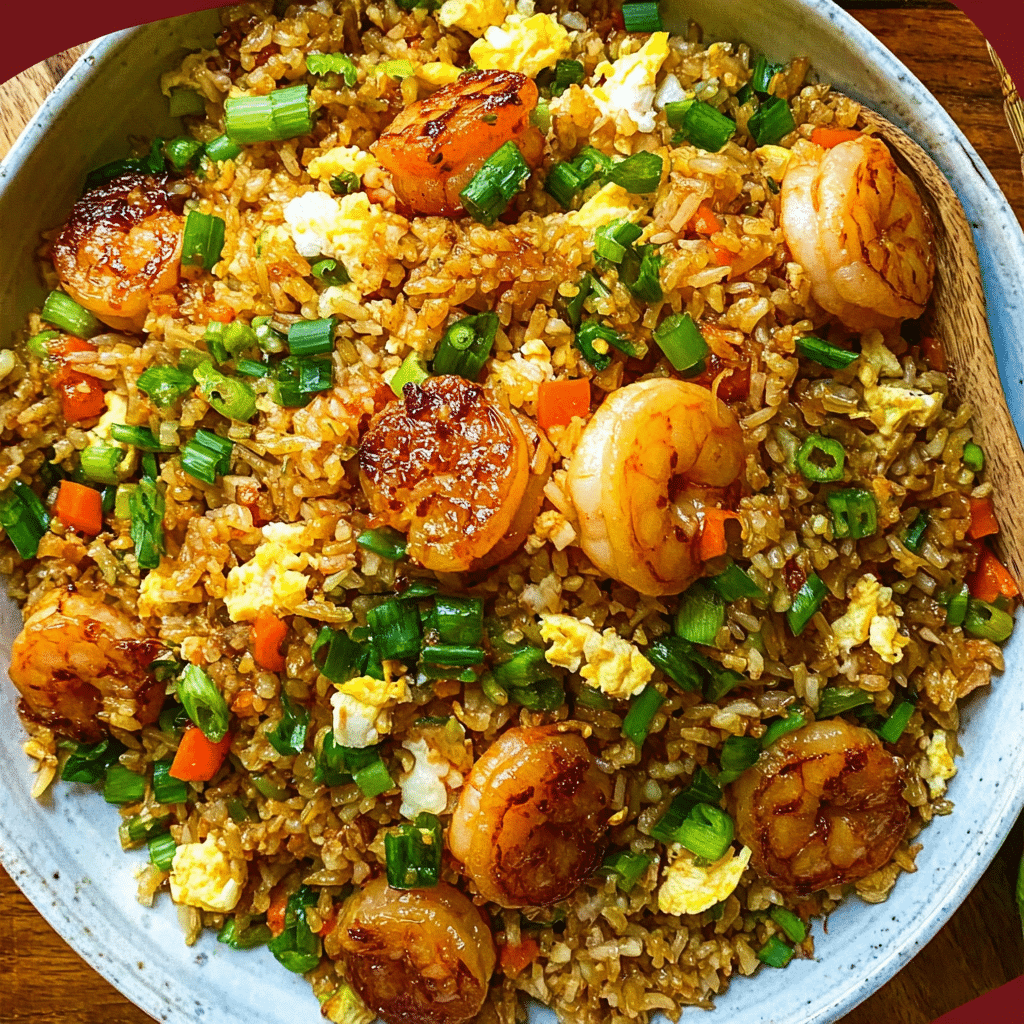
Fried rice is a global comfort food—a humble, resourceful dish that transforms leftover rice and odds-and-ends vegetables into something deeply satisfying. But what happens when you take that classic stir-fried foundation and introduce it to the creamy, spicy, sweet world of Bang Bang sauce? You get Bang Bang Fried Rice: a fusion masterpiece that dances on the edge of tradition and bold innovation. This is not your average takeout fried rice. This is fried rice with personality, with heat, with a velvety kick that lingers just long enough to make you reach for another bite.
The name “Bang Bang” originates from a beloved shrimp dish popularized by seafood chains, where crispy shellfish is tossed in a sauce made from mayonnaise, sweet chili sauce, and Sriracha. That sauce—creamy, tangy, sweet, and spicy—has since become a cult favorite, drizzled on tacos, bowls, burgers, and now, fried rice. In this recipe, we are doing something truly inventive: we are using that same Bang Bang sauce not as a dip on the side, but as a coating that envelops every grain of rice, every morsel of chicken, every piece of egg and vegetable. The result is a dish that is simultaneously familiar and thrillingly new.
What makes this recipe particularly brilliant is its balance. The mayonnaise brings richness and body; the sweet chili sauce adds fruity sweetness; the Sriracha delivers a clean, garlicky heat; and the rice vinegar cuts through with a touch of acidity. When these elements meet the savory umami of soy sauce, the smoky char from a hot wok, and the tender protein of chicken, you have a dish that hits every note on the flavor spectrum. The crispy edges of the fried rice contrast with the creamy sauce. The soft eggs and crunchy carrots provide textural variety. And the green onions on top offer a fresh, sharp finish.
This article will walk you through every detail of creating Bang Bang Fried Rice in your own kitchen. You will learn why day-old rice is non-negotiable, how to achieve the perfect wok hei (that elusive breath of the wok) at home, and how to customize the spice level to your liking. We will cover ingredients, a step-by-step method, and conclude with a comprehensive FAQ section that answers every question you might have. Whether you are a novice cook looking for an exciting weeknight dinner or a seasoned home chef seeking fresh inspiration, this recipe delivers.
Let us fire up the wok.
Ingredients
Before you begin, gather all your ingredients. This dish moves quickly once cooking starts—there is no time to chop garlic while the pan is smoking. Read through each item and note the quality indicators that will elevate your final dish.
For the Rice Base
- 1 1/2 cups cooked rice (preferably day-old): This is the single most important rule of fried rice. Freshly cooked rice contains too much moisture, causing it to steam rather than fry, resulting in a mushy, clumpy mess. Day-old rice that has been refrigerated uncovered (or loosely covered) dries out slightly, so each grain separates beautifully when hit with high heat. Long-grain jasmine rice or medium-grain white rice works best. Avoid sticky rice or sushi rice, which are too glutinous.
For the Protein
- 1 chicken breast, diced: Boneless, skinless chicken breast is lean and takes well to browning. Dice it into uniform ½-inch cubes so they cook evenly. You can substitute chicken thighs for a juicier, more flavorful result, but adjust cooking time slightly as thighs take a minute longer.
For the Eggs
- 2 eggs, beaten: Eggs add richness, color, and protein. Beaten just before cooking—not hours in advance—ensures they remain fluffy. The eggs are scrambled separately and then folded back in, a technique that prevents them from overcooking or breaking into unpleasantly small bits.
For the Vegetables
- 1/2 cup diced carrots: Carrots provide sweetness, color, and a pleasant crunch. Dice them finely (about ¼-inch pieces) so they cook quickly in the high heat. You do not want raw carrot crunch, but you also do not want mush.
- 1/3 cup green peas: Frozen peas are ideal here. They do not require pre-cooking; the residual heat of the wok thaws and warms them perfectly. Peas add pops of sweetness and a vibrant green contrast.
- 2 cloves garlic, minced: Garlic is the aromatic backbone. Mince it very finely so it infuses the oil without burning. Burnt garlic is bitter and will ruin the entire dish.
- 2 green onions, sliced (for garnish): Use both the white and green parts. The white parts have a sharper, oniony bite; the green tops are milder and visually appealing. Slice thinly on a bias for a professional look.
For the Seasoning and Cooking Oil
- 2 to 3 tablespoons soy sauce: Use regular or light soy sauce, not dark soy sauce (which is thicker and sweeter) or low-sodium (which lacks depth). Soy sauce provides the salty, umami foundation. Start with 2 tablespoons and add the third if needed after tasting.
- 1 tablespoon oil (plus more as needed): A neutral oil with a high smoke point is essential. Avocado oil, grapeseed oil, vegetable oil, or canola oil all work. Avoid olive oil (smoke point too low) or butter (burns easily). You will need additional oil throughout the cooking process, so keep the bottle handy.
For the Bang Bang Sauce
- 1/4 cup mayonnaise: Full-fat, real mayonnaise (such as Hellmann’s or Duke’s) is critical. Light or vegan mayonnaise may not emulsify properly and can break under heat. The mayonnaise gives the sauce its creamy body and helps it cling to every grain of rice.
- 2 tablespoons sweet chili sauce: Look for Mae Ploy or similar Thai-style sweet chili sauce. It is red, translucent, and contains chili flakes. This ingredient provides the sweet and mildly spicy backbone of Bang Bang sauce.
- 1 tablespoon Sriracha (adjust to taste): Sriracha adds heat, garlic, and a tangy fermented chili flavor. The amount is adjustable: use 2 teaspoons for mild, 1 tablespoon for medium, or 1.5 tablespoons for hot. For an extra-spicy version, add a pinch of cayenne or a dash of chili oil.
- 1 teaspoon rice vinegar: Rice vinegar is mild and slightly sweet, with a gentle acidity that brightens the sauce. Do not substitute white vinegar or apple cider vinegar, which are too harsh. This ingredient balances the richness of the mayonnaise and the sweetness of the chili sauce.
Preparation Method
This recipe moves fast. Complete all your chopping, measuring, and sauce-making before you turn on the heat. Total active cooking time is approximately 25 minutes. Serves 2 to 3 as a main dish, or 4 as a side.
Phase 1: Prepare the Bang Bang Sauce and Mise en Place
Step 1: Make the Bang Bang sauce.
In a small bowl, combine ¼ cup mayonnaise, 2 tablespoons sweet chili sauce, 1 tablespoon Sriracha (or less to taste), and 1 teaspoon rice vinegar. Whisk thoroughly until the sauce is smooth, pinkish-orange, and completely homogeneous. Taste it. Adjust the Sriracha if you want more heat. Set the sauce aside at room temperature. Do not refrigerate it now—cold sauce will lower the temperature of your wok later.
Step 2: Prepare all ingredients.
- Dice the chicken breast into ½-inch cubes. Pat them dry with a paper towel to ensure browning. Season lightly with a pinch of salt and pepper, but do not over-salt—soy sauce and Bang Bang sauce both contain sodium.
- Beat the 2 eggs in a small bowl with a fork until the yolks and whites are fully combined.
- Dice the carrots into small, uniform pieces.
- Mince the garlic.
- Slice the green onions.
- Measure out the cold, day-old rice. Break up any large clumps with your fingers or a fork.
- Have the soy sauce and extra oil measured and ready.
Phase 2: Cook the Chicken
Step 3: Heat the wok or skillet.
Place a large wok or a heavy-bottomed skillet (cast iron or carbon steel is ideal) over medium-high to high heat. Let it heat for a full minute before adding oil. You want the pan rippling-hot.
Step 4: Sear the chicken.
Add 1 tablespoon of oil. Swirl to coat the surface. Carefully add the diced chicken in a single layer. Do not overcrowd the pan; if your pan is small, cook the chicken in two batches. Let the chicken sear undisturbed for 2 minutes. Then stir and continue cooking for another 3–4 minutes, stirring occasionally, until the chicken is golden brown on the outside and cooked through (internal temperature of 165°F or 74°C). Remove the chicken to a clean plate and set aside.
Phase 3: Cook the Eggs
Step 5: Scramble the eggs.
The pan should still be hot and may have a few browned bits from the chicken—that is flavor. Add a tiny drizzle of fresh oil if the pan looks dry. Pour in the beaten eggs. Let them sit for 10 seconds without stirring, then use a spatula to gently push the cooked edges toward the center, tilting the pan to let raw egg flow underneath. Cook for about 45 to 60 seconds total, until the eggs are just set but still soft and fluffy. Do not overcook; they will cook further when combined later. Remove the eggs to the same plate as the chicken.
Phase 4: Stir-Fry the Vegetables
Step 6: Sauté the aromatics.
Add another drizzle of oil to the pan (about ½ tablespoon). Add the minced garlic and diced carrots. Stir-fry for 2 to 3 minutes, stirring constantly. The carrots should begin to soften and the garlic should become fragrant but not brown. If the garlic starts browning too quickly, reduce the heat slightly.
Step 7: Add the peas.
Add the ⅓ cup of green peas. Stir-fry for 1 minute. Frozen peas will thaw almost instantly. The vegetables are now ready for the rice.
Phase 5: Fry the Rice
Step 8: Add the cold rice.
Crank the heat back up to high if you reduced it. Add the cold, day-old rice to the pan. Break up any remaining clumps with your spatula. Spread the rice in an even layer and let it sit undisturbed for 60 seconds. This allows the bottom layer to crisp and develop a slight char—the hallmark of great fried rice. Then stir-fry vigorously for 3 to 4 minutes, tossing and flipping the rice continuously. You want each grain to be separate, slightly toasted, and dancing in the pan.
Phase 6: Combine and Sauce
Step 9: Return the chicken and eggs.
Add the cooked chicken and scrambled eggs back into the pan. Stir-fry for 1 minute to reheat everything and distribute the ingredients evenly.
Step 10: Add soy sauce.
Drizzle 2 tablespoons of soy sauce around the edges of the pan, not directly onto the rice. This allows the soy sauce to caramelize slightly against the hot surface before mixing in. Toss everything thoroughly. Taste the rice. If it needs more saltiness, add the remaining 1 tablespoon of soy sauce.
Step 11: Add the Bang Bang sauce.
Reduce the heat to medium. Pour the prepared Bang Bang sauce over the rice mixture. Stir-fry for 1 to 2 minutes, tossing continuously, until every grain of rice is evenly coated in that creamy, pinkish sauce and everything is heated through. Do not overcook at this stage—you want to heat the sauce, not boil it, as mayonnaise can separate under prolonged high heat.
Phase 7: Garnish and Serve
Step 12: Garnish.
Transfer the Bang Bang Fried Rice to a serving bowl or platter. Sprinkle the sliced green onions generously over the top. For extra heat, add an additional drizzle of Sriracha or a sprinkle of red pepper flakes. For texture, a sprinkle of sesame seeds or crushed peanuts is wonderful.
Step 13: Serve immediately.
This dish is best served hot, straight from the wok. The sauce is at its creamiest and most flavorful when freshly combined. Leftovers can be stored (see FAQ), but the first serving is the magic moment.
Conclusion
Bang Bang Fried Rice is what happens when culinary creativity meets comfort food. It respects the fundamental techniques of classic fried rice—high heat, day-old rice, proper sequencing—while introducing a bold, contemporary sauce that transforms the entire experience. The creamy heat of the Bang Bang sauce, with its sweet chili tang and Sriracha kick, elevates simple ingredients into something crave-worthy and memorable.
This recipe is endlessly adaptable. You can swap the chicken for shrimp, tofu, or pork. You can add broccoli, bell peppers, or water chestnuts. You can dial the spice up or down depending on your mood. But the heart of the dish remains the same: that glorious, addictive sauce clinging to every crispy, savory grain of rice. Once you try it, you may never go back to plain fried rice again.
Below, you will find answers to the most frequently asked questions about this recipe, covering everything from sauce separation to make-ahead strategies.
Frequently Asked Questions (FAQ)
1. Can I use freshly cooked rice instead of day-old rice?
Technically yes, but the texture will suffer. Freshly cooked rice is too moist and will steam rather than fry, resulting in a sticky, clumpy, soft dish. To mimic day-old rice in a pinch, spread freshly cooked rice on a baking sheet and place it in the refrigerator, uncovered, for 30–60 minutes. This dries the surface slightly. For best results, however, plan ahead and use rice cooked the day before.
2. The Bang Bang sauce separated when I added it to the pan. What went wrong?
Mayonnaise is an emulsion of oil, egg yolks, and acid. High heat can break that emulsion, causing the sauce to turn oily and grainy. To prevent this: (1) reduce the heat to medium before adding the sauce, (2) do not boil or aggressively fry the sauce—just warm it through, and (3) ensure your mayonnaise is full-fat and high-quality (light or vegan mayo is more prone to separation).
3. How spicy is this dish? Can I make it milder or spicier?
With 1 tablespoon of Sriracha, the dish is medium-spicy—noticeable heat but not overwhelming. For a mild version, use 1 teaspoon of Sriracha or omit it entirely (the sweet chili sauce alone is very mild). For a spicier version, increase Sriracha to 1.5 tablespoons, add ½ teaspoon of cayenne pepper, or drizzle chili oil on top before serving. You can also add finely chopped fresh Thai bird’s eye chilies.
4. Can I use frozen vegetables instead of fresh carrots and peas?
Yes. Frozen mixed vegetables (carrots, peas, corn, green beans) work well in a pinch. Do not thaw them first; add them directly to the wok. Note that frozen vegetables release more water than fresh, so you may need to cook them an extra minute to evaporate the moisture, ensuring your rice stays crisp rather than steaming.
5. What can I substitute for the sweet chili sauce?
If you do not have sweet chili sauce, you can make a quick substitute: combine 2 tablespoons of honey or maple syrup with 1 tablespoon of ketchup and ¼ teaspoon of red pepper flakes. This will not be identical, but it provides the sweet-tangy-mildly spicy profile. Alternatively, use sambal oelek mixed with a little sugar, though that will be much spicier.
6. Can I make this dish without mayonnaise?
Yes, but it will not be Bang Bang Fried Rice in the traditional sense. The mayonnaise is essential to the creamy texture and rich mouthfeel. For a dairy-free or egg-free version, use vegan mayonnaise (such as Hellmann’s Vegan or Follow Your Heart). For a lighter but different result, substitute Greek yogurt or sour cream mixed with a little oil; note that yogurt can curdle if overheated.
7. How do I store and reheat leftovers?
Store leftovers in an airtight container in the refrigerator for up to 3 days. To reheat: place the rice in a non-stick skillet over medium-low heat, add a teaspoon of water or a splash of soy sauce, and stir-fry gently until warmed through. Avoid the microwave, as it will make the sauce separate and turn the rice mushy. Do not freeze this dish—the mayonnaise-based sauce will break upon thawing.
8. Can I add other proteins or make it vegetarian?
Absolutely. Shrimp (add with the chicken, cook 2–3 minutes until pink), diced firm tofu (press and pan-fry first), or leftover pork all work beautifully. For a vegetarian version, omit the chicken and add extra vegetables such as broccoli, bell peppers, mushrooms, or edamame. You can also add a second egg for more protein.
9. My fried rice turned out mushy. Where did I go wrong?
Mushy fried rice almost always comes from one of three issues: (1) using freshly cooked rice instead of day-old, (2) overcrowding the pan (which causes steaming instead of frying), or (3) adding too much soy sauce or sauce at the end, which reintroduces moisture. Next time, dry your rice longer, cook in batches if needed, and add sauces gradually.
10. Is this dish gluten-free?
As written, no, because soy sauce contains wheat. However, you can easily make it gluten-free by substituting tamari or coconut aminos for the soy sauce (use the same amount). Ensure your Sriracha and sweet chili sauce are gluten-free (most major brands are, but check labels). The remaining ingredients are naturally gluten-free.
11. Can I double this recipe?
Yes, but you must cook it in batches. A standard wok or 12-inch skillet cannot handle double the ingredients without overcrowding, which leads to steaming instead of frying. Cook the chicken, eggs, and vegetables in separate batches, then combine everything in the pan at the end for the final toss with the sauce. Expect the total cooking time to increase to about 35–40 minutes.
12. Why is this called “Bang Bang” if it doesn’t have shrimp?
The name refers to the sauce, not the protein. Bang Bang sauce originated with shrimp dishes (Bang Bang Shrimp), but the sauce has since transcended its original pairing. This recipe honors the sauce’s legacy while applying it to a completely different canvas: fried rice. If you prefer shrimp, feel free to substitute 1 lb of peeled, deveined shrimp for the chicken—cook them for 2–3 minutes until pink and curled.
PrintBang Bang Fried Rice: A Fiery, Creamy, Irresistible Fusion Dish
This Bang Bang Fried Rice is a spicy, creamy, and savory stir-fried rice dish packed with chicken, eggs, vegetables, and a bold bang bang sauce.
- Prep Time: 10 minutes
- Cook Time: 15 minutes
- Total Time: 25 minutes
- Yield: 3–4 servings
- Category: Main Dish, Rice
- Method: Stir-Fry
- Cuisine: Asian Fusion
Ingredients
- 1 1/2 cups cooked rice (preferably day-old)
- 1 chicken breast, diced
- 2 eggs, beaten
- 1/2 cup diced carrots
- 1/3 cup green peas
- 2 cloves garlic, minced
- 2 green onions, sliced (for garnish)
- 2–3 tablespoons soy sauce
- 1 tablespoon oil (plus more as needed)
- 1/4 cup mayonnaise
- 2 tablespoons sweet chili sauce
- 1 tablespoon Sriracha (adjust to taste)
- 1 teaspoon rice vinegar
Instructions
- Mix mayonnaise, sweet chili sauce, Sriracha, and rice vinegar in a bowl to make the bang bang sauce. Set aside.
- Heat oil in a large skillet or wok over medium-high heat. Cook diced chicken with salt and pepper until browned and cooked through. Remove and set aside.
- Scramble eggs in the same pan until just set, then remove and set aside.
- Add a little more oil, sauté carrots and garlic for 2–3 minutes. Add peas and cook 1 more minute.
- Add cold rice and stir-fry on high heat for 3–4 minutes, breaking up clumps.
- Return chicken and eggs to the pan and mix well.
- Pour in soy sauce and stir evenly.
- Add bang bang sauce and toss until everything is coated and heated through.
- Garnish with green onions and serve hot.
Notes
- Day-old rice works best for fried rice texture.
- Adjust Sriracha for more or less heat.
- You can swap chicken with shrimp or tofu.