Introduction
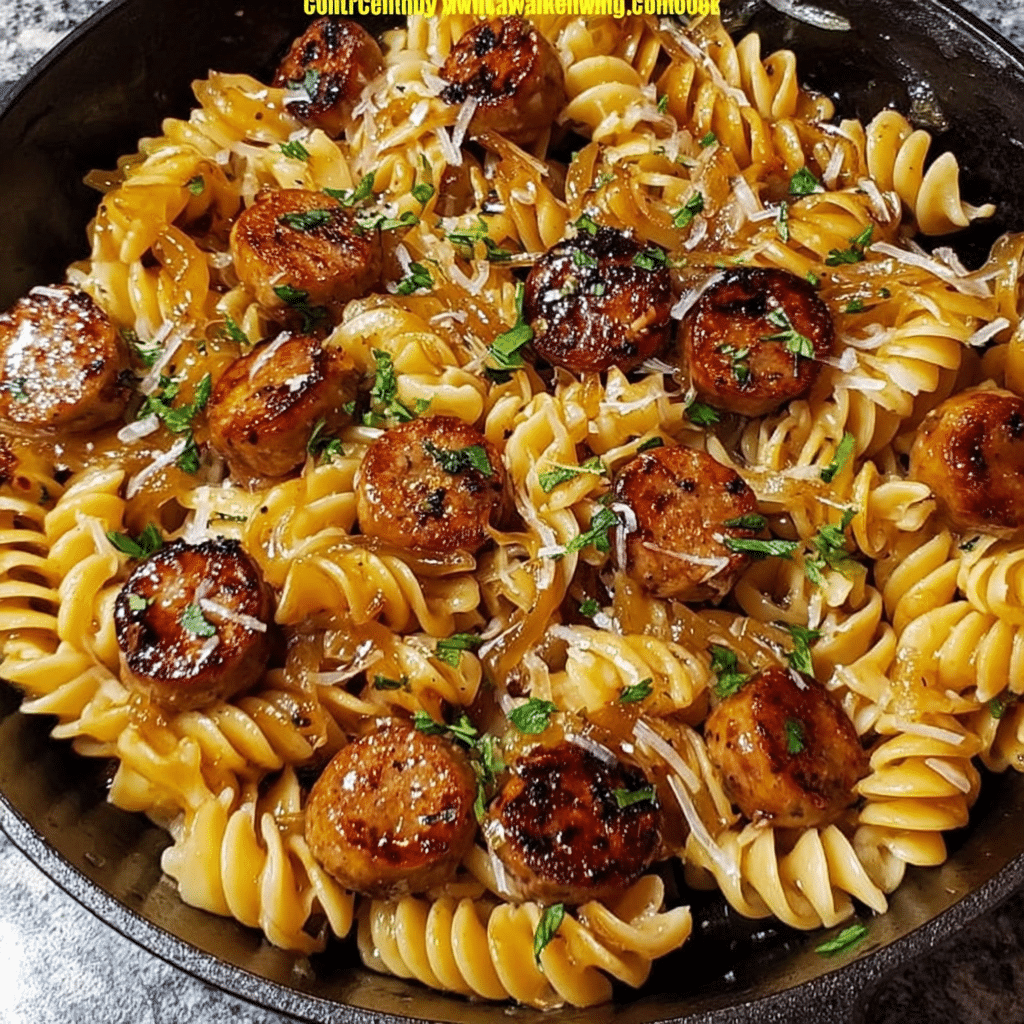
There is a special category of weeknight dinners that deserves its own name: the “one-pan wonder.” These are the meals that deliver maximum flavor with minimum cleanup, that come together in under 30 minutes, and that somehow taste like you spent hours in the kitchen when you barely broke a sweat. The Sticky Honey Garlic Sausage Pasta Skillet is the platonic ideal of this category. It is sweet, savory, garlicky, slightly spicy, and utterly irresistible—a dish that will have everyone at the table reaching for seconds before they have finished their first bite.
At its core, this recipe is a celebration of contrasts. The sauce is sticky and glossy, clinging to every piece of pasta and sausage like a warm, sweet-savory blanket. The honey provides natural sweetness and that signature sticky texture. The soy sauce contributes deep umami and saltiness. The apple cider vinegar cuts through the richness with a bright, tangy note. Red pepper flakes add a gentle warmth that lingers without overwhelming. And the butter—that final tablespoon of butter—brings everything together with a silky, luxurious finish.
The sausage is the perfect protein for this dish. Whether you choose Italian sausage (sweet, mild, or spicy), smoked sausage (like kielbasa or andouille), or a turkey-based alternative, the sausage’s natural fattiness and seasoning complement the honey garlic sauce beautifully. Sliced and browned until crispy, the sausage develops a caramelized exterior that holds up to the sticky sauce without becoming soggy.
The pasta—penne, rigatoni, or any short, ridged shape—acts as a vehicle for the sauce. Those ridges and hollow centers capture the sticky honey garlic mixture in every bite. And because the pasta cooks separately before joining the skillet, you have complete control over its texture: al dente, firm to the bite, never mushy.
What makes this dish a true weeknight hero is its efficiency. While the pasta boils, you brown the sausage and prepare the sauce. Everything comes together in the same skillet, and the only extra pot is the one you used for the pasta. Cleanup is minimal, leftovers are delicious, and the entire process takes about 25 minutes from start to finish.
In this article, you will find a comprehensive guide to making Sticky Honey Garlic Sausage Pasta Skillet from scratch. We will cover ingredient selection, step-by-step preparation, expert tips for achieving the perfect sticky sauce, storage instructions, and detailed answers to frequently asked questions. By the time you finish reading, you will be ready to add this one-pan wonder to your permanent rotation.
Ingredients
Before you begin, gather all of your ingredients. Because this dish moves quickly once cooking starts, having everything prepped and measured is essential. Below is the complete list, organized by component.
For the Sticky Honey Garlic Sausage Pasta Skillet
| Ingredient | Quantity | Notes |
|---|---|---|
| Pasta (penne, rigatoni, or short pasta) | 12 oz (340 g) | Ridged shapes hold sauce best |
| Sausage (Italian, smoked, or preferred type) | 1 lb (450 g) | Sliced into ½-inch rounds |
| Olive oil | 1 tablespoon | For browning sausage |
| Garlic | 3 cloves | Minced fresh |
| Honey | ¼ cup (60 ml) | Use liquid honey; not crystallized |
| Soy sauce | ¼ cup (60 ml) | Low-sodium recommended |
| Apple cider vinegar | 1 tablespoon | Adds brightness; substitutes work (see FAQ) |
| Chicken broth | ½ cup (120 ml) | Low-sodium preferred |
| Red pepper flakes | ¼ teaspoon | Optional, for heat |
| Butter | 1 tablespoon | Adds richness and silkiness |
| Fresh parsley | 2 tablespoons | Chopped, for garnish |
| Salt and pepper | To taste | Adjust at the end |
For Serving (Optional)
| Ingredient | Notes |
|---|---|
| Grated Parmesan cheese | Adds savory, nutty depth |
| Reserved pasta water | ½ cup, for thinning sauce if needed |
Sausage Variations
| Type | Flavor Profile | Best For |
|---|---|---|
| Italian sausage (sweet or mild) | Fennel, garlic, herbs | Classic choice |
| Italian sausage (hot) | Added red pepper | Spicier version |
| Smoked sausage (kielbasa) | Smoky, garlicky | Deep, savory flavor |
| Andouille sausage | Spicy, smoky, bold | Cajun-inspired twist |
| Chicken or turkey sausage | Leaner, milder | Lighter option |
Preparation Method
Step 1: Cook the Pasta
Bring a large pot of salted water to a rolling boil. Use about 1 tablespoon of salt per 4 quarts of water—the water should taste like the sea. This is your only opportunity to season the pasta itself.
Add 12 ounces of pasta (penne, rigatoni, or any short, ridged shape). Cook according to the package instructions until al dente—firm to the bite but fully cooked. Stir occasionally to prevent sticking.
Before draining, reserve ½ cup of pasta water. This starchy liquid is liquid gold for adjusting sauce consistency later. It helps the sauce cling to the pasta and adds a silky texture that plain water cannot replicate.
Drain the pasta in a colander. Do not rinse it—rinsing removes the surface starch that helps the sauce adhere. Toss the drained pasta with a tiny drizzle of olive oil if you are worried about sticking while you finish the sauce.
Set the pasta aside.
Step 2: Slice and Brown the Sausage
While the pasta cooks, prepare the sausage. Cut 1 pound of sausage into ½-inch thick rounds. If using link sausage, slice on a slight diagonal for larger, more attractive pieces.
Place a large skillet (12-inch recommended) over medium heat. Add 1 tablespoon of olive oil and swirl to coat the bottom.
Once the oil is shimmering, add the sliced sausage in a single layer. Do not overcrowd the pan—if necessary, brown the sausage in two batches. Overcrowding causes steaming instead of browning.
Cook the sausage for 5 to 7 minutes, turning once halfway through. You are looking for a deep golden-brown crust on both sides. The sausage should be crispy on the edges and caramelized. This browning step is critical for flavor development.
Using a slotted spoon or tongs, transfer the browned sausage to a plate and set aside. Leave the rendered fat and browned bits in the skillet—these are packed with flavor.
Step 3: Make the Sticky Honey Garlic Sauce
Return the skillet to medium heat. Add the 3 cloves of minced garlic to the hot pan (there should be enough residual oil and fat from the sausage; if the pan looks dry, add a tiny splash of olive oil).
Sauté the garlic for 30 seconds to 1 minute, stirring constantly, until fragrant. Do not let the garlic brown or burn—burnt garlic becomes bitter and can ruin the sauce. The garlic should be soft, aromatic, and just beginning to turn golden.
Add the following ingredients to the skillet:
- ¼ cup honey
- ¼ cup low-sodium soy sauce
- 1 tablespoon apple cider vinegar
Stir well to combine. The mixture will bubble and steam as the honey and soy sauce meet the hot pan. Scrape the bottom of the skillet to incorporate any browned bits from the sausage.
Pour in ½ cup of chicken broth and add ¼ teaspoon of red pepper flakes (if using). Stir again. Bring the sauce to a gentle simmer. Let it cook for 2 to 3 minutes, stirring occasionally, until the sauce thickens slightly. It should become glossy, sticky, and coat the back of a spoon.
Step 4: Reintroduce the Sausage
Return the browned sausage to the skillet. Stir to coat each piece thoroughly in the sticky honey garlic sauce. Let the sausage simmer in the sauce for 3 to 4 minutes, allowing it to absorb the flavors. The sauce will continue to thicken during this time.
Step 5: Combine with the Pasta
Add the cooked and drained pasta to the skillet. Toss everything together using tongs or two spatulas, ensuring the pasta, sausage, and sauce are evenly combined.
Assess the sauce consistency. If the sauce seems too thick or the pasta looks dry, add the reserved pasta water a few tablespoons at a time, tossing after each addition, until the sauce reaches your desired consistency. The starchy pasta water helps the sauce cling to the pasta beautifully.
Add 1 tablespoon of butter to the skillet. Stir until the butter melts completely and is incorporated into the sauce. The butter adds richness, silkiness, and a beautiful sheen.
Step 6: Season and Garnish
Taste the dish. Add salt and pepper as needed. Remember that soy sauce is already salty, so add salt sparingly—start with ¼ teaspoon and adjust upward.
Remove the skillet from the heat. Garnish generously with 2 tablespoons of chopped fresh parsley. The parsley adds a pop of color and a fresh, slightly peppery contrast to the rich, sticky sauce.
If desired, sprinkle grated Parmesan cheese over the top just before serving. The Parmesan adds a salty, nutty, savory note that complements the honey garlic sauce beautifully.
Step 7: Serve Immediately
Serve the Sticky Honey Garlic Sausage Pasta Skillet hot, directly from the skillet or in individual bowls. The dish is best enjoyed immediately, while the sauce is still glossy and the pasta is at its peak texture.
Expert Tips for Perfect Sticky Honey Garlic Sausage Pasta
- Do not skip browning the sausage. The deep golden-brown crust that develops during browning is not just for looks—it adds layers of caramelized, savory flavor that cannot be replicated by simply warming the sausage in the sauce.
- Use low-sodium soy sauce. Regular soy sauce can make the dish overwhelmingly salty, especially as the sauce reduces. Low-sodium soy sauce gives you control over the salt level.
- Reserve that pasta water. The starchy water from the pasta pot is a chef’s secret weapon. It helps thin the sauce without diluting flavor and adds a silky texture that plain water cannot achieve.
- Do not burn the garlic. Garlic burns quickly—in as little as 30 seconds over medium-high heat. Once it turns dark brown or black, it becomes bitter. Cook just until fragrant, then add the liquids immediately.
- Adjust the sweetness and heat to your taste. This recipe balances sweet (honey), salty (soy sauce), tangy (vinegar), and spicy (red pepper flakes). For a sweeter dish, add an extra tablespoon of honey. For more heat, increase red pepper flakes to ½ teaspoon or add a dash of sriracha.
- Choose the right pasta shape. Short, ridged pastas like penne, rigatoni, or fusilli are ideal because their nooks and crannies trap the sticky sauce. Avoid long noodles like spaghetti or fettuccine, which do not hold the sauce as well.
Storage and Reheating
Sticky Honey Garlic Sausage Pasta Skillet is delicious fresh but also makes excellent leftovers.
Refrigeration: Store leftovers in an airtight container in the refrigerator for up to 4 days. The sauce will continue to cling to the pasta, and the flavors will meld and deepen overnight.
Freezing: This dish freezes reasonably well for up to 2 months. Allow it to cool completely, then transfer to a freezer-safe container. Thaw overnight in the refrigerator before reheating. Note that the pasta texture will soften slightly after freezing and thawing.
Reheating (stovetop): The best method. Place the desired portion in a skillet over medium-low heat. Add a splash of chicken broth, reserved pasta water, or even plain water to loosen the sauce. Stir-fry for 4–5 minutes until heated through.
Reheating (microwave): Quick and convenient. Microwave individual portions on medium power for 90 seconds to 2 minutes, stirring halfway through. Add a teaspoon of water before microwaving to prevent dryness.
Reheating (oven): For larger portions, reheat in a covered baking dish at 350°F for 15–20 minutes.
Conclusion
The Sticky Honey Garlic Sausage Pasta Skillet is the definition of a weeknight hero. It is fast, flavorful, and forgiving—a dish that delivers restaurant-quality results from a single skillet and a handful of pantry staples. The sweet, sticky, garlicky sauce clings to every piece of pasta and every slice of crispy, caramelized sausage. The red pepper flakes add a gentle warmth. The fresh parsley and optional Parmesan provide brightness and depth. And the entire process, from first slice to final garnish, takes less than 30 minutes.
What I love most about this recipe is its adaptability. Swap the sausage for chicken, shrimp, or tofu. Use gluten-free pasta and tamari for a gluten-free version. Add vegetables like bell peppers, broccoli, or snap peas. Turn up the heat with extra red pepper flakes or a drizzle of sriracha. The core technique—browning, saucing, combining—remains the same, and the results are always delicious.
This is the kind of meal that will earn a permanent spot in your rotation. It is the dinner you turn to when you are tired, when you are short on time, when you need something comforting but not complicated. It is the recipe you will memorize, the one you will make without looking at the instructions, the one your family will request again and again.
So slice that sausage, mince that garlic, and get ready to fall in love with sticky, sweet, savory perfection. Your one-pan wonder awaits.
Frequently Asked Questions (FAQ)
1. What type of sausage works best in this recipe?
All of the following work beautifully:
- Italian sausage (sweet, mild, or hot) – classic choice with fennel and garlic notes
- Smoked sausage (kielbasa) – adds a deep, smoky flavor
- Andouille sausage – spicy, bold, perfect for a Cajun twist
- Chicken or turkey sausage – leaner, milder, great for a lighter dish
Avoid pre-cooked breakfast sausage links or raw loose sausage (without casing), as they do not slice or brown as well.
2. Can I use a different sweetener instead of honey?
Yes. Maple syrup, agave nectar, or brown rice syrup all work as substitutes. Each will change the flavor slightly:
- Maple syrup adds a woodsy, earthy sweetness
- Agave nectar is neutral and slightly thinner
- Brown rice syrup is less sweet and more mild
Use the same quantity (¼ cup). Do not use artificial sweeteners, as they will not caramelize or create the same sticky texture.
3. Can I make this dish gluten-free?
Absolutely. Use gluten-free pasta (brown rice, chickpea, or lentil-based) and gluten-free tamari instead of soy sauce. Most sausages are gluten-free, but check the label—some contain fillers or flavorings with gluten. Apple cider vinegar, honey, and chicken broth are naturally gluten-free (verify broth labels).
4. My sauce is too thin. How can I thicken it?
If your sauce is thinner than you would like, try these fixes:
- Simmer longer: Cook the sauce for an additional 2–3 minutes before adding the pasta. The liquid will reduce and thicken.
- Make a cornstarch slurry: Mix 1 teaspoon of cornstarch with 2 teaspoons of cold water. Stir into the simmering sauce and cook for 1 minute until thickened.
- Use less reserved pasta water: Add pasta water gradually, only as needed.
5. My sauce is too thick or too sticky. How can I thin it?
Add reserved pasta water, chicken broth, or even plain water a few tablespoons at a time, tossing until the sauce reaches your desired consistency. The sauce will thicken as it cools, so aim for a slightly looser consistency than you want at serving.
6. Can I add vegetables to this dish?
Yes. Vegetables add color, texture, and nutrition. Add them after browning the sausage and before making the sauce:
- Bell peppers (sliced) – cook for 2–3 minutes
- Broccoli florets (small) – cook for 3–4 minutes
- Snap peas or snow peas – cook for 1–2 minutes
- Mushrooms (sliced) – cook for 3–4 minutes
- Spinach (stir in at the end) – wilts in 30 seconds
7. Can I use a different vinegar instead of apple cider vinegar?
Yes. Apple cider vinegar provides a mild, fruity tang. Good substitutes include:
- Rice vinegar (mild, slightly sweet)
- White wine vinegar (bright, clean)
- Red wine vinegar (stronger, more robust)
- Lemon juice (fresh, bright, less acidic than vinegar)
Use the same quantity (1 tablespoon). Avoid distilled white vinegar, which is too harsh and lacks complexity.
8. Can I make this dish dairy-free?
Yes. The only dairy in the recipe is the optional Parmesan cheese and the butter. Substitute:
- Butter: Use vegan butter or coconut oil (use 1 tablespoon)
- Parmesan: Omit or use vegan Parmesan (nutritional yeast is also a good substitute for a cheesy, nutty flavor)
The dish is naturally dairy-free without these optional ingredients.
9. Can I use ground sausage instead of sliced links?
Yes. Remove the casings from Italian sausage links and cook the ground sausage like you would ground beef. Break it apart with a spatula as it browns. The texture will be different (more like a ragu than a chunkier skillet dish), but the flavor will still be excellent.
10. Can I double this recipe?
Yes. Use a very large skillet (14-inch or larger) or a Dutch oven. Double all ingredients. You may need to brown the sausage in two batches to avoid overcrowding. Increase the sauce simmering time by 1–2 minutes. The pasta cooking time remains the same.
11. How do I prevent the pasta from becoming mushy?
Three tips:
- Cook the pasta al dente (firm to the bite). It will continue to absorb sauce and soften when combined.
- Do not overcook the pasta in the sauce. Toss just until combined and heated through.
- Serve immediately. The longer the pasta sits in the sauce, the softer it becomes.
12. What should I serve with this dish?
Because this skillet is a complete meal (protein, starch, vegetables if added), it needs little accompaniment. However, consider:
- A simple green salad with lemon vinaigrette (to cut the richness)
- Roasted asparagus or green beans
- Steamed broccoli with a squeeze of lemon
- Garlic bread (for sopping up extra sauce)
- A crisp white wine (Pinot Grigio or Sauvignon Blanc) or a light lager
Sticky Honey Garlic Sausage Pasta Skillet: A Flavorful One-Pan Wonder
A rich and glossy Sticky Honey Garlic Sausage Pasta Skillet made in one pan with tender pasta, caramelized sausage, and a sweet-savory garlic honey sauce. A quick and comforting weeknight dinner packed with bold flavor.
- Prep Time: 10 minutes
- Cook Time: 20 minutes
- Total Time: 30 minutes
- Yield: 4 servings
- Category: Main Dish
- Method: Skillet
- Cuisine: American-Inspired
Ingredients
- 12 oz (340 g) pasta (penne, rigatoni, or short pasta)
- 1 lb (450 g) sausage, sliced
- 1 tablespoon olive oil
- 3 cloves garlic, minced
- 1/4 cup honey
- 1/4 cup soy sauce (low sodium)
- 1 tablespoon apple cider vinegar
- 1/2 cup chicken broth
- 1/4 teaspoon red pepper flakes (optional)
- 1 tablespoon butter
- 2 tablespoons fresh parsley, chopped
- Salt and pepper to taste
- Grated Parmesan cheese (optional)
Instructions
- Cook pasta according to package instructions. Reserve 1/2 cup pasta water, then drain.
- Heat olive oil in a skillet over medium heat. Brown sausage for 5–7 minutes until crispy. Remove and set aside.
- Add garlic to the same skillet and sauté 30–60 seconds until fragrant.
- Stir in honey, soy sauce, and apple cider vinegar until combined.
- Add chicken broth and simmer 2–3 minutes until slightly thickened.
- Return sausage to skillet and simmer 3–4 minutes to coat in sauce.
- Add cooked pasta and toss to combine. Add reserved pasta water if needed.
- Stir in butter until melted and glossy.
- Season with salt and pepper, then garnish with parsley and Parmesan.
Notes
- Use smoked sausage for extra depth of flavor.
- Adjust honey for more or less sweetness.