
Introduction
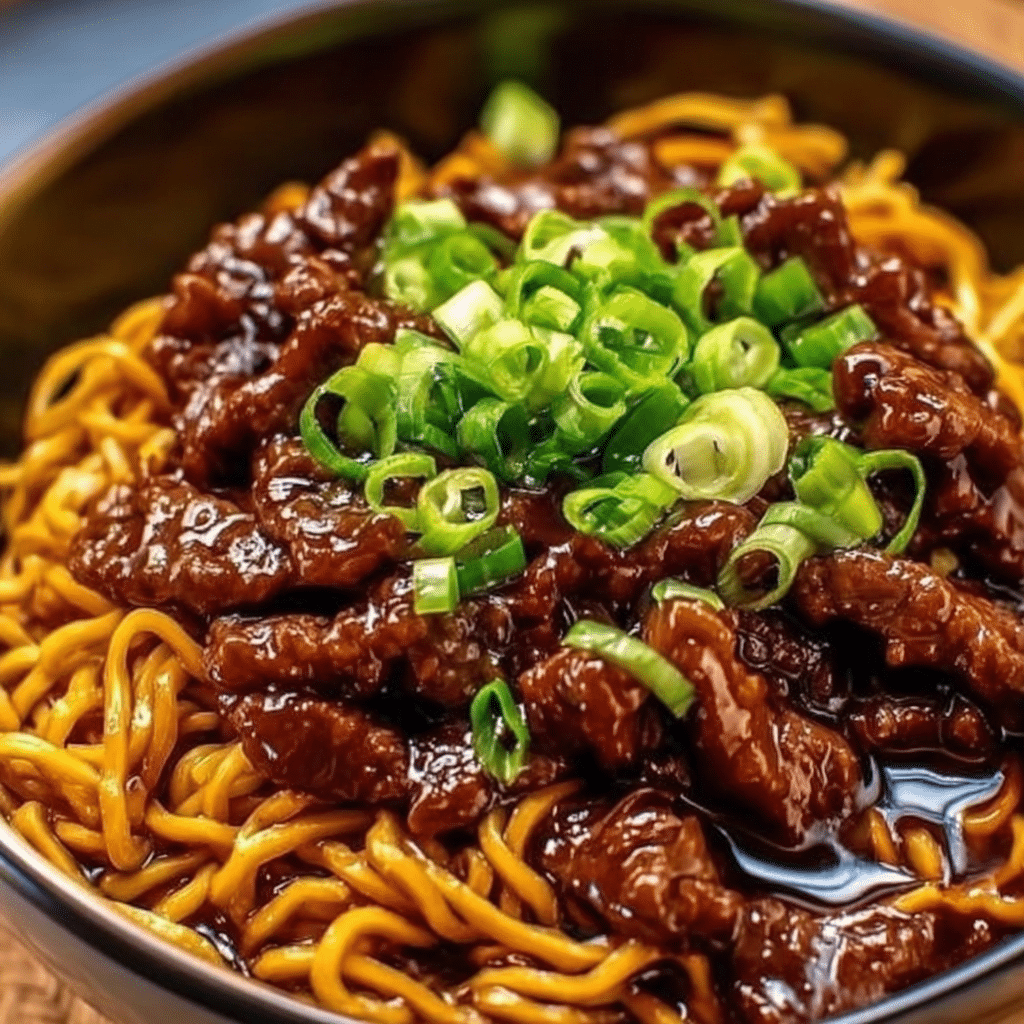
There are noodle dishes, and then there are noodle dishes that stop you mid-bite, forcing you to look down at your plate and wonder how something so simple can taste so extraordinary. Sticky Beef Noodles fall firmly into the second category. This is the kind of meal that delivers 5-star flavor from a single skillet, in under 30 minutes, using ingredients you can find at any grocery store. It is sweet, savory, garlicky, gingery, and irresistibly glossy—a true celebration of umami.
At its heart, Sticky Beef Noodles is a stir-fry dish that draws inspiration from Chinese and Taiwanese noodle traditions. Thinly sliced beef sirloin is quickly marinated in a sauce of soy sauce, brown sugar, hoisin sauce, and cornstarch. That same sauce later becomes the glaze that coats every strand of egg or rice noodle. The cornstarch is the secret weapon: it thickens the beef broth into a silky, clingy sauce that adheres to the beef and noodles like a warm, savory blanket. The result is a dish that is both deeply comforting and undeniably impressive.
What makes this recipe so remarkable is its efficiency and balance. The marinade doubles as the sauce base, meaning you use fewer ingredients and create less waste. The beef cooks in minutes, the aromatics bloom in seconds, and the noodles absorb all the concentrated flavor in the final toss. Every component has a purpose: soy sauce provides saltiness and umami; brown sugar adds caramel sweetness; hoisin sauce contributes a complex, fermented richness; garlic and ginger bring pungent warmth; and beef broth ties everything together with savory depth.
The name “sticky” refers to the sauce’s texture, not its messiness. When done correctly, the sauce coats the noodles and beef with a glossy, slightly thick sheen that clings to every surface. It is the kind of sauce that makes you want to twirl your fork or chopsticks again and again, scraping the bottom of the bowl for the last drops.
Sticky Beef Noodles are also endlessly adaptable. Use egg noodles for a chewier, more traditional texture, or rice noodles for a lighter, gluten-free option. Swap the beef sirloin for flank steak, skirt steak, or even chicken or tofu. Add vegetables like bell peppers, snap peas, or broccoli to bulk it up. The core technique—marinating, searing, saucing, and tossing—remains the same.
In this article, you will find a comprehensive guide to making Sticky Beef Noodles from scratch. We will cover ingredient selection, step-by-step preparation, expert tips for achieving the perfect sticky sauce, storage instructions, and detailed answers to frequently asked questions. By the time you finish reading, you will be ready to create a noodle dish that rivals your favorite takeout spot.
Ingredients
Before you begin, gather all of your ingredients. Because this stir-fry moves quickly once cooking starts, having everything prepped and measured is essential. Below is the complete list, organized by component.
For the Sticky Beef Noodles
| Ingredient | Quantity | Notes |
|---|---|---|
| Egg noodles or rice noodles | 8 ounces | Egg noodles (lo mein style) are traditional; rice noodles for gluten-free |
| Beef sirloin | 1 pound | Thinly sliced against the grain |
| Vegetable oil | 2 tablespoons | Canola, avocado, or peanut oil also work |
| Garlic | 4 cloves | Minced fresh |
| Fresh ginger | 1 tablespoon | Minced (about a 1-inch piece) |
| Soy sauce | ¼ cup | Low-sodium recommended |
| Brown sugar | 2 tablespoons | Light or dark; packed |
| Hoisin sauce | 1 tablespoon | Adds depth and sweetness |
| Cornstarch | 1 tablespoon | For thickening the sauce |
| Beef broth | ½ cup | Low-sodium preferred |
For Garnish
| Ingredient | Quantity | Notes |
|---|---|---|
| Green onions | 2 | Sliced thinly (white and green parts) |
| Sesame seeds | Optional | Toasted white or black seeds |
Optional Additions
| Ingredient | Notes |
|---|---|
| Red bell pepper | Thinly sliced; add with garlic and ginger |
| Snap peas or snow peas | ½ cup; add with the sauce |
| Broccoli florets | ½ cup; blanch first or add earlier |
| Carrot ribbons | Add for color and crunch |
| Chili flakes or sriracha | For heat |
| Toasted sesame oil | 1 teaspoon drizzled at the end |
Preparation Method
Step 1: Cook the Noodles
Begin by cooking the 8 ounces of egg noodles or rice noodles according to the package instructions. Egg noodles typically take 3 to 5 minutes in boiling water; rice noodles vary by thickness but generally require soaking in hot water rather than boiling.
For egg noodles: Bring a large pot of salted water to a boil. Add the noodles and cook until al dente (firm to the bite). Drain immediately and rinse briefly with cold water to stop the cooking process. Toss with a few drops of oil to prevent sticking. Set aside.
For rice noodles: Follow the package directions. Most dried rice noodles need to be soaked in hot water for 8 to 10 minutes until pliable but not mushy. Drain and set aside.
Do not overcook the noodles. They will continue to absorb sauce when combined with the beef, so slightly undercooking them is better than overcooking.
Step 2: Prepare the Beef
Place the 1 pound of beef sirloin on a cutting board. Using a sharp knife, slice the beef thinly against the grain. Cutting against the grain (perpendicular to the muscle fibers) ensures tender, easy-to-chew pieces. The slices should be about ⅛ to ¼ inch thick and 1 to 2 inches long.
If the beef is easier to slice when partially frozen, place it in the freezer for 15 to 20 minutes before slicing. This firms up the meat and allows for cleaner, thinner cuts.
Step 3: Make the Marinade (Which Becomes the Sauce)
In a medium bowl, combine the following ingredients:
- ¼ cup soy sauce
- 2 tablespoons brown sugar
- 1 tablespoon hoisin sauce
- 1 tablespoon cornstarch
Whisk until the cornstarch and brown sugar are fully dissolved. The mixture will be dark, thick, and syrupy.
Add the thinly sliced beef to the bowl. Toss well with your hands or a spatula to ensure every piece of beef is coated in the marinade. Let the beef marinate for 10 minutes at room temperature. Do not marinate longer than 30 minutes, as the soy sauce can begin to cure the meat and make it overly salty.
The cornstarch in the marinade serves two purposes: it helps tenderize the beef and, later, will thicken the sauce into that desirable sticky consistency.
Step 4: Heat the Skillet
Place a large skillet or wok over medium-high heat. A 12-inch skillet or a 14-inch wok is ideal. Add 2 tablespoons of vegetable oil and swirl to coat the bottom. Heat the oil until it is shimmering and just beginning to smoke—this takes about 1 to 2 minutes.
Step 5: Stir-Fry the Beef
Carefully add the marinated beef to the hot skillet in a single layer. Do not overcrowd the pan; if necessary, cook the beef in two batches. Overcrowding will cause the beef to steam rather than sear.
Let the beef cook undisturbed for 2 minutes to develop a brown, caramelized crust. Then stir-fry for another 1 to 2 minutes, breaking up any clumps, until the beef is browned on the outside and cooked through. The beef is done when it is no longer pink inside and has a rich, dark glaze from the marinade.
Using a slotted spoon or spatula, remove the beef from the skillet and transfer it to a clean plate. Leave the remaining oil and any browned bits (fond) in the skillet—these are packed with flavor.
Step 6: Sauté the Garlic and Ginger
Return the skillet to medium-high heat. Add the 4 cloves of minced garlic and 1 tablespoon of minced fresh ginger. Sauté for 1 to 2 minutes, stirring constantly, until fragrant. The garlic and ginger should soften and release their aroma but not brown or burn. Burnt garlic becomes bitter and can ruin the dish.
If the skillet seems dry at this point, add a tiny splash of vegetable oil or a few tablespoons of water.
Step 7: Create the Sticky Sauce
Pour ½ cup of beef broth into the skillet. Use a wooden spoon or spatula to scrape up any browned bits stuck to the bottom of the pan (this is called deglazing). These bits are concentrated flavor.
Return the cooked beef to the skillet. Stir to combine. Let the mixture simmer for 2 to 3 minutes, stirring occasionally. During this time, the cornstarch from the marinade will activate, thickening the liquid into a glossy, sticky sauce that coats the beef. The sauce should be thick enough to cling to a spoon but still pourable.
If the sauce becomes too thick, add 1 to 2 tablespoons of water or additional beef broth. If it is too thin, simmer for an additional minute or mix 1 teaspoon of cornstarch with 1 tablespoon of cold water (a slurry) and stir it in.
Step 8: Combine with Noodles
Add the cooked noodles to the skillet. Using tongs or two spatulas, toss the noodles with the beef and sauce until every strand is evenly coated. The noodles should turn a rich, dark brown and glisten with the sticky sauce.
Toss gently but thoroughly. Do not stir aggressively, as this can break the noodles (especially rice noodles).
Step 9: Garnish and Serve
Remove the skillet from the heat. Transfer the Sticky Beef Noodles to serving plates or bowls.
Garnish with:
- Sliced green onions (both white and green parts)
- Sesame seeds (toasted, if possible)
For an extra layer of flavor, drizzle a few drops of toasted sesame oil over the top just before serving.
Serve immediately. Sticky Beef Noodles are best enjoyed hot, within minutes of cooking, while the sauce is still glossy and the noodles are at their peak texture.
Expert Tips for Perfect Sticky Beef Noodles
- Slice the beef thinly and against the grain. This is the single most important step for tender beef. Thick slices or cutting with the grain will result in chewy, tough meat.
- Do not skip the 10-minute marinade. While it may seem brief, this resting time allows the cornstarch and seasonings to penetrate the surface of the beef, ensuring flavor in every bite and a proper sauce later.
- Use high heat for the beef. Medium-high to high heat is essential for achieving a good sear. If the heat is too low, the beef will release its juices and steam rather than brown, resulting in a gray, unappetizing appearance.
- Cook in batches if needed. A crowded skillet lowers the temperature. If you have more than a single layer of beef, cook in two batches. The extra few minutes are worth it.
- Egg noodles are traditional but rice noodles are excellent. Egg noodles (sometimes labeled “lo mein noodles” or “chow mein noodles”) have a satisfying chew. Rice noodles are lighter and naturally gluten-free. Both work beautifully.
- Adjust the sweetness to your taste. This recipe strikes a balance between savory (soy sauce, beef broth) and sweet (brown sugar, hoisin). For a sweeter dish, add an extra tablespoon of brown sugar. For a more savory dish, reduce the brown sugar to 1 tablespoon.
- Make it spicy. Add ½ teaspoon of red pepper flakes to the garlic and ginger, or drizzle sriracha or chili oil over the finished dish.
Storage and Reheating
Sticky Beef Noodles are best enjoyed fresh, but leftovers can be stored and reheated with reasonable success.
Refrigeration: Store leftovers in an airtight container in the refrigerator for up to 3 days. The sauce will continue to thicken and be absorbed by the noodles, so the dish will become less “sticky” and more “cozy” over time—still delicious.
Freezing: Freezing is not recommended. The noodles (especially egg noodles) become mushy upon thawing, and the sauce can separate. If you must freeze, do so for no more than 1 month, and expect textural changes.
Reheating (stovetop): The best method. Place the noodles in a skillet over medium heat. Add 2 to 3 tablespoons of water or beef broth to loosen the sauce. Stir-fry for 3 to 4 minutes until heated through.
Reheating (microwave): Quick but softens the noodles. Microwave individual portions on medium power for 60 to 90 seconds, stirring halfway through. Add a teaspoon of water before microwaving to prevent dryness.
Reheating (air fryer): Not recommended for noodles, as they dry out and become brittle.
Conclusion
Sticky Beef Noodles are the kind of recipe that makes you feel like a chef in your own kitchen. They are deceptively simple—a handful of ingredients, one skillet, and less than 30 minutes—yet the result is deeply complex, layered, and satisfying. The glossy, umami-rich sauce clings to every strand of noodle and every slice of tender beef. The garlic and ginger perfume the entire dish. The green onions and sesame seeds add a fresh, nutty finish.
What makes this recipe truly special is its versatility. It is weeknight-fast but impressive enough for guests. It is budget-friendly but tastes like takeout from a high-end restaurant. It welcomes vegetables, spice, and substitutions without losing its soul. And once you master the technique—thinly slicing beef, marinating briefly, searing over high heat, and thickening the sauce with cornstarch—you can apply it to chicken, shrimp, tofu, or pork.
So the next time you crave something sticky, savory, sweet, and utterly irresistible, skip the phone and the delivery app. Head to your kitchen, slice some beef, boil some noodles, and create this incredible ultimate recipe for 5-star flavor. Your chopsticks are waiting.
Frequently Asked Questions (FAQ)
1. Can I use a different cut of beef?
Absolutely. Sirloin is recommended for its balance of flavor and tenderness, but the following cuts also work well:
- Flank steak (slice very thinly against the grain)
- Skirt steak (similar to flank; excellent flavor)
- Ribeye (more marbling = richer flavor)
- Top round (leaner; slice extra thin and do not overcook)
Avoid tough cuts like chuck or brisket, which require long, slow cooking to become tender.
2. Can I use chicken, shrimp, or tofu instead of beef?
Yes.
- Chicken: Use boneless, skinless chicken thighs or breasts, sliced thinly. Cook for 3–4 minutes until no longer pink.
- Shrimp: Use large shrimp (peeled and deveined). Cook for 1–2 minutes per side until pink and opaque.
- Tofu: Use extra-firm tofu, pressed to remove water, then cubed. Pan-fry until golden before adding the sauce.
3. What can I use instead of hoisin sauce?
Hoisin sauce is a thick, sweet, salty, fermented soybean paste. If you do not have it, substitute with:
- 2 tablespoons of soy sauce + 1 tablespoon of molasses or honey + ½ teaspoon of garlic powder
- Teriyaki sauce (use 1 tablespoon, reduce brown sugar slightly)
- Black bean paste (different flavor but works in a pinch)
4. My sauce is not thickening. What went wrong?
The cornstarch in the marinade is responsible for thickening. If the sauce remains thin, try these fixes:
- Simmer longer: Cornstarch requires heat to activate. Simmer for an additional 2–3 minutes.
- Make a cornstarch slurry: Mix 1 teaspoon of cornstarch with 2 teaspoons of cold water. Stir into the simmering sauce and cook for 1 minute.
- Check your measurements: Ensure you used 1 full tablespoon of cornstarch in the marinade.
5. Can I make this dish gluten-free?
Yes. Use the following substitutions:
- Rice noodles instead of egg noodles
- Tamari or gluten-free soy sauce instead of regular soy sauce
- Gluten-free hoisin sauce (available at most grocery stores or online)
- Cornstarch is naturally gluten-free
All other ingredients are gluten-free.
6. How do I prevent the noodles from becoming mushy?
Three tips:
- Cook the noodles al dente (slightly firmer than package directions).
- Rinse with cold water after draining to stop the cooking process.
- Add the noodles to the sauce at the very end and toss just until coated. Do not simmer the noodles in the sauce.
7. Can I add vegetables to this dish?
Absolutely. Vegetables add color, texture, and nutrition. Add them when you sauté the garlic and ginger:
- Bell peppers (thinly sliced)
- Snap peas or snow peas
- Broccoli florets (blanch first or add earlier)
- Carrot ribbons or julienned carrots
- Mushrooms (sliced)
Add heartier vegetables (broccoli, carrots) 1–2 minutes before the garlic and ginger. Add delicate vegetables (snap peas, bell peppers) with the garlic and ginger.
8. Why is my beef tough?
Tough beef is usually caused by one of three issues:
- Slicing with the grain instead of against it. Always cut against the grain.
- Overcooking. Beef sirloin only needs 3–4 minutes in a hot skillet.
- Using the wrong cut. Tough cuts like chuck or brisket require slow cooking.
9. Can I make this recipe ahead of time for meal prep?
Yes, but with caveats. The noodles will absorb sauce and soften over time. For best results:
- Cook the beef and sauce as directed, but store it separately from the noodles.
- Cook the noodles fresh when ready to eat.
- Combine and reheat gently.
Prepared and combined leftovers will keep for 2–3 days in the refrigerator but will have a softer texture.
10. What type of noodles are best for this dish?
Egg noodles (also labeled lo mein noodles, chow mein noodles, or simply “egg noodles”) are traditional and provide a chewy, satisfying texture. Rice noodles are an excellent gluten-free alternative. Udon noodles (thick and chewy) work well but are not traditional. Avoid thin noodles like angel hair or vermicelli, which become mushy.
11. Can I double this recipe?
Yes. Use a very large skillet or wok (14 inches or larger) or cook in two batches. Double all ingredients. If cooking in a single batch, increase the simmering time for the sauce by 1–2 minutes to ensure thickening.
12. How do I make the dish spicier?
Add heat in several ways:
- Red pepper flakes (¼ to ½ teaspoon with the garlic and ginger)
- Sriracha or chili garlic sauce (1–2 teaspoons added with the beef broth)
- Fresh Thai bird chilies (thinly sliced, added as a garnish)
- Chili oil (drizzled over the finished dish)
Sticky Beef Noodles: An Incredible Ultimate Recipe for 5-Star Flavor
Sticky Beef Noodles made with tender sliced beef, egg noodles, and a rich sweet-savory sauce. A quick, restaurant-style dish packed with bold flavor and glossy, sticky sauce.
- Prep Time: 10 minutes
- Cook Time: 15 minutes
- Total Time: 25 minutes
- Yield: 3–4 servings
- Category: Main Dish
- Method: Stir-Fry
- Cuisine: Asian-Inspired
Ingredients
- 8 ounces egg noodles or rice noodles
- 1 pound beef sirloin, thinly sliced
- 2 tablespoons vegetable oil
- 4 cloves garlic, minced
- 1 tablespoon fresh ginger, minced
- 1/4 cup soy sauce
- 2 tablespoons brown sugar
- 1 tablespoon hoisin sauce
- 1 tablespoon cornstarch
- 1/2 cup beef broth
- 2 green onions, sliced (for garnish)
- Sesame seeds (optional garnish)
Instructions
- Cook noodles according to package instructions. Drain and set aside.
- Mix soy sauce, brown sugar, hoisin sauce, and cornstarch in a bowl. Add beef and marinate for 10 minutes.
- Heat vegetable oil in a skillet over medium-high heat.
- Stir-fry beef in a single layer for 3–4 minutes until browned. Remove and set aside.
- Sauté garlic and ginger in the same pan for 1–2 minutes until fragrant.
- Add beef broth and return beef to the skillet. Simmer 2–3 minutes until sauce thickens.
- Add noodles and toss until fully coated in sauce.
- Garnish with green onions and sesame seeds.
- Serve immediately while hot and sticky.
Notes
- Slice beef thinly against the grain for tenderness.
- Add chili flakes or sriracha for a spicy version.